Retail contractors in Los Angeles County, CA have to satisfy two sets of rules at once: the state building code and whichever of the county's 88 cities (or unincorporated area) holds the permit file for your address. One missed jurisdiction call can push a grand-opening date by months, and a licensing mistake now carries different stakes than it did two years ago, thanks to a 2025 state law most homeowners and small retailers haven't heard about. This guide breaks down what a retail contractor actually does, what build-outs cost in 2026, how permitting works city by city, and what to check before you sign a contract.
What a Retail Contractor in Los Angeles County Does
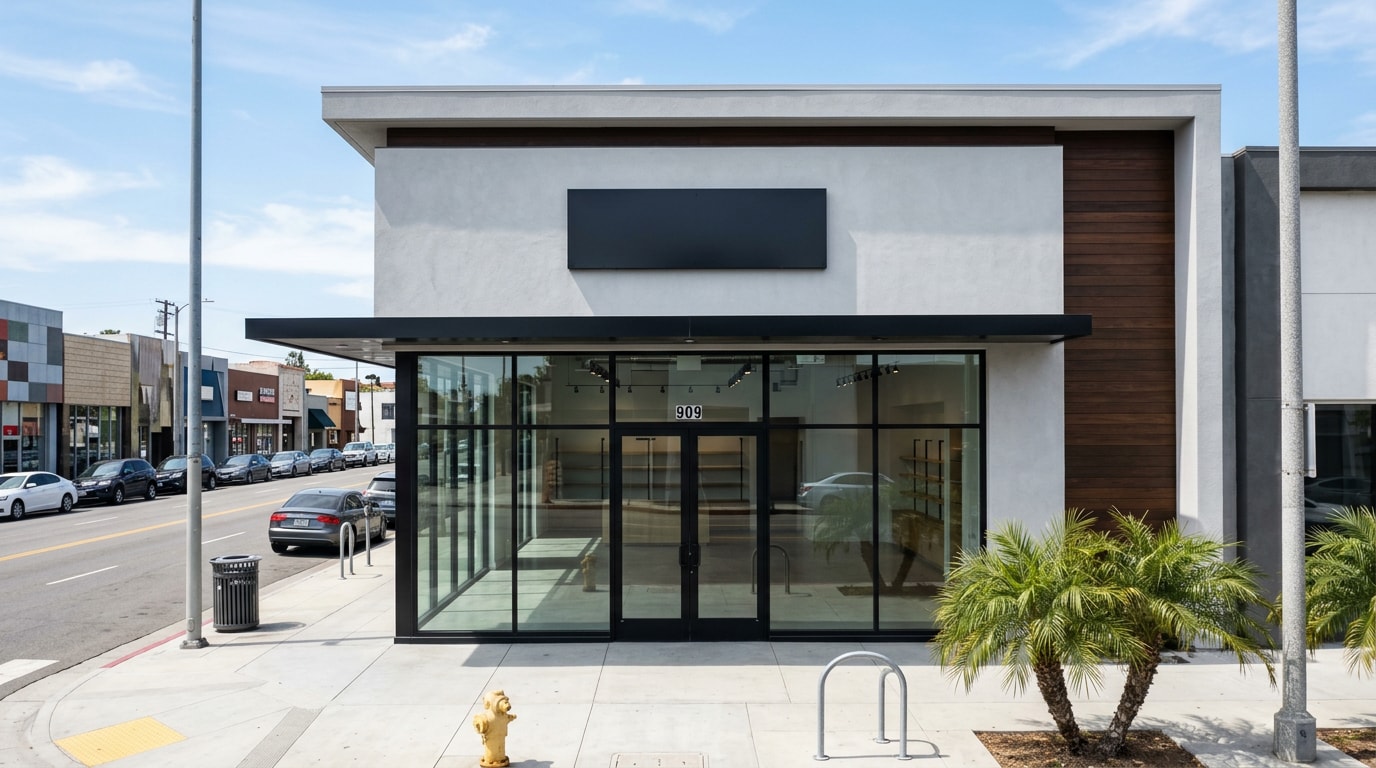
Retail construction covers everything from a single boutique build-out to a full shopping-center tenant improvement. It includes stand-alone storefronts, mall inline spaces, showrooms, and conversions of existing commercial shells into new retail use. In LA County, the same project can touch three different layers of code depending on whether it sits in the City of LA, an independent city like Pasadena or Burbank, or unincorporated county land.
A contractor managing this type of work typically handles two phases:
- Pre-construction: site evaluation, budget and schedule planning, coordination with an architect or designer, and early identification of code issues before they reach plan check.
- Construction execution: framing and structural work, electrical, plumbing, and mechanical rough-in, drywall, flooring, millwork and display fixtures, and the accessibility and egress features required by code.
Many of these same scopes overlap with residential and light-commercial remodeling. A general contractor experienced in structural remodeling, interior remodeling, and new construction brings the same code discipline to a retail tenant improvement as to a home addition, since the plan-check process and inspection standards come from the same building department. If you're weighing whether to hire a dedicated commercial outfit or a full-service general contractor, ask specifically about their recent tenant-improvement or storefront experience, not just their residential portfolio.
What Does Retail Build-Out Cost in Los Angeles County in 2026?
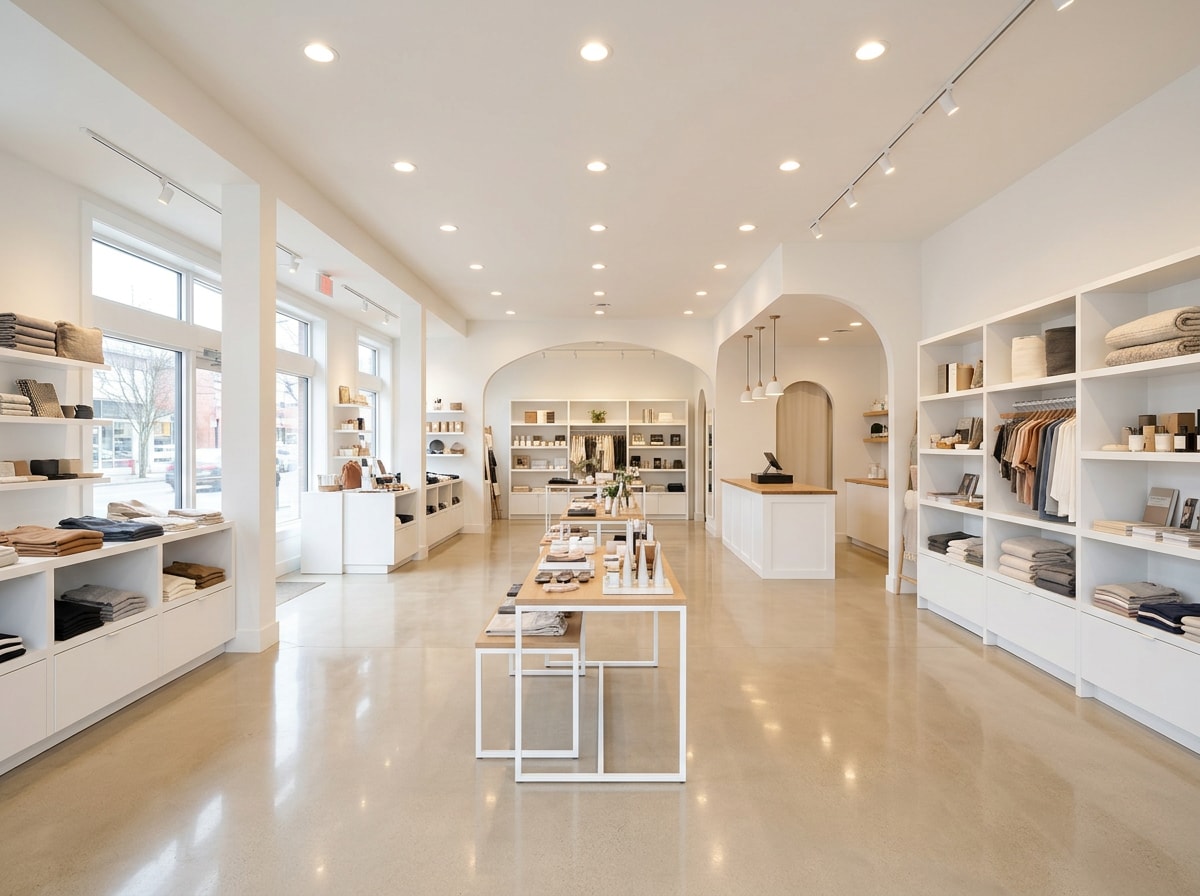
Retail build-out costs vary widely because "retail" covers everything from a bare-shell boutique to a full restaurant-style buildout with commercial kitchen equipment. As a general planning range, most LA-area retail fit-outs fall somewhere between $100 and $300 per square foot, with the final number driven by finish quality, custom millwork, specialty lighting, HVAC changes, and the condition of the existing shell. A vanilla-shell space with simple paint, flooring, and counters lands toward the low end; a flagship store with custom cabinetry, decorative ceilings, and upgraded electrical service pushes toward the high end or beyond. Get at least three bids built on the same scope of work before comparing numbers, since "price per square foot" means very different things depending on what's included.
Code Compliance and Accessibility for Retail Spaces
Retail contractors in LA County build to several overlapping codes at once: Title 24 energy standards, California Building Code Chapter 11B accessibility rules, and local fire and occupancy requirements. Skipping a compliance review doesn't just risk a stop-work order. It can force a retailer to tear out finished work, which delays the opening date and adds cost nobody budgeted for.
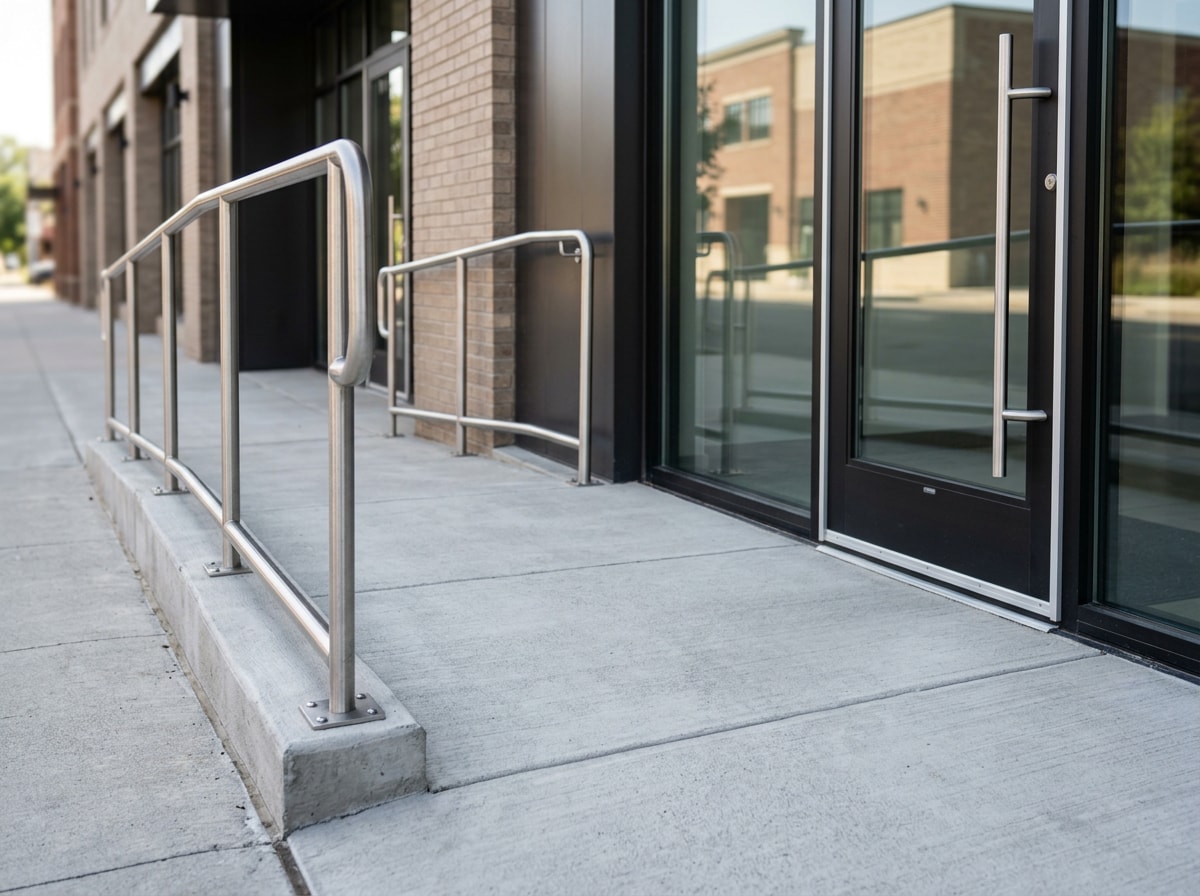
Accessibility is the area where retail projects most often get tripped up, because the rules are detailed and product-specific. Sales and service counters have to keep their surface height at 38 inches maximum above the finish floor, with counter-edge protection no more than 2 inches above that surface on the aisle side. These aren't suggestions: the U.S. Access Board is the federal agency responsible for developing the accessibility guidelines and standards that building departments reference for the built environment , and California's own Chapter 11B layers additional requirements on top.
Navigating Commercial Building Permits in Los Angeles County
Permitting is where retail timelines most often go sideways, and the first question isn't about code at all. It's about which agency has jurisdiction over your address.
Unincorporated County vs. Contract Cities vs. City of LA
If your property is in unincorporated LA County, LA County Public Works will issue your permit. Many smaller cities contract with the county for building and safety services, while larger cities like the City of Los Angeles, Pasadena, and Long Beach run their own departments entirely. Construction and electrical work in LA County follows Title 26 (Building Code) and Title 27 (Electrical Code) of the Los Angeles County Code , layered on top of whichever city code applies if you're inside an incorporated city. Confirming jurisdiction before you draw a single plan sheet is the single biggest factor in avoiding delays, whether your site is in Pasadena, Burbank, Sherman Oaks, or unincorporated county land.
The City of LA's Permit Process
Projects inside the City of Los Angeles go through the Department of Building and Safety. LADBS's ePlanLA system (Electronic Plan Review Los Angeles) lets applicants submit project plans, drawings, and documents online instead of in person. For standard commercial scopes, plan review isn't instant: regular commercial plan check typically takes four to eight weeks for the initial review , before any correction cycles. Build that timeline into your opening-date math from day one, not after the first rejection letter comes back.
The County's 5-Step Process
For projects under LA County Public Works' jurisdiction, the process runs through five stages: application and plan check submission, agency approvals and fee payment, permit issuance, on-site inspections as work progresses, and final sign-off once everything passes. A straightforward retail interior build-out usually clears this process faster than a ground-up structure, but complex scopes, like new electrical service or structural changes, can stretch the review window considerably.
Design-Build vs. Traditional Bid for Retail Projects
Design-build combines architectural design, engineering, and construction under one contract instead of three separate ones. For a retailer racing toward a lease-driven opening date, that structure usually means fewer change orders and tighter cost control, because one team stays accountable from first sketch to final inspection instead of three parties pointing at each other when something slips. It also helps on the permitting side: a single point of contact can catch a conflict between the architect's drawings and the local fire code before it reaches the plan-check counter, instead of discovering it after submission. If you're comparing this approach against a traditional design-bid-build process, request a free estimate and ask both sides to walk you through how they'd handle a correction cycle.
How to Vet a Retail Contractor Before You Sign
A few checks take fifteen minutes and can save months of headaches later.
- Verify the license is active and the right classification. Most construction work in California requires a license, but the dollar threshold changed recently and a lot of contractors still quote the old number.
Effective January 1, 2025, Assembly Bill 2622 raised the "minor work" exemption from $500 to $1,000 in combined labor and materials.
The current rule from the Contractors State License Board is that a license is required if the project needs a permit, uses hired labor, or totals $1,000 or more in labor and materials. A contractor who still cites the $500 figure either hasn't kept up with the law or isn't being careful with the details that matter.
- Ask for recent local project references, ideally in the same city or jurisdiction as yours, since familiarity with a specific plan-check office speeds everything up.
- Confirm bonding and workers' comp coverage directly, not just a verbal assurance.
- Get the permit timeline in writing, broken out by plan check, corrections, and inspection, so you know where the schedule risk actually sits.
- Compare bids on identical scope, not just a bottom-line number, since a lower bid that excludes ADA upgrades or electrical panel work isn't actually cheaper.
For a deeper walkthrough of vetting questions specific to this county, our guide to new home contractors in Los Angeles County covers the licensing and reference-check process in more detail, and most of it applies directly to commercial and retail hires too.
In our own project files across Pasadena, Burbank, and Sherman Oaks, the delays that actually cost clients time almost never come from the construction itself. They come from a jurisdiction mix-up caught too late, or a contractor who didn't flag an accessibility upgrade until the inspector did it for them.
If your retail project also touches finish work like flooring, tile installation, drywall, or waterproofing, confirm your contractor handles those scopes in-house rather than subbing them out to a crew they haven't worked with before. Fewer hand-offs generally means fewer scheduling gaps.
Ready to scope your project? Visit {{SITE_URL}} to see our full range of general contracting services, or get a free estimate to start the conversation with a licensed team that works across Los Angeles County, including Pasadena, Burbank, and Long Beach.
FAQ
How long does it take to get a commercial building permit in LA County in 2026?
It depends heavily on jurisdiction. City of Los Angeles commercial plan check typically takes four to eight weeks for the initial review , with correction cycles adding more time on top. Unincorporated county projects follow a similar range but can move faster for straightforward interior build-outs that don't require structural or electrical service changes. Build in a buffer of three to six months total for a standard commercial permit, longer for complex scopes.
How much does it cost to build out a retail store in Los Angeles County?
Most retail build-outs fall between roughly $100 and $300 per square foot, though the final number depends on finish quality, custom fixtures, and the condition of the existing shell. Get bids built on identical scope before comparing numbers across contractors.
Do I need a licensed contractor for retail construction in California?
Yes, for nearly every real project. California requires a contractor's license if the project needs a permit, uses hired labor, or totals $1,000 or more in combined labor and materials , and retail build-outs almost always hit that threshold. Note that this is a change from the old $500 rule, so don't rely on older articles or contractor quotes that still cite the lower figure.
What's the difference between the City of LA and LA County for permits?
If your property sits in unincorporated LA County, LA County Public Works issues the permit. If it's inside the City of Los Angeles, LADBS handles it through its own plan check and ePlanLA system. Many smaller cities contract with the county instead of running their own department, so confirm jurisdiction through the applicable service locator before you submit anything.
What ADA requirements apply to retail stores in California?
Retail spaces open to the public must meet both the federal ADA Standards and California's Chapter 11B accessibility code, which generally sets stricter requirements. Sales counters, for example, must keep their surface height at 38 inches maximum above the finish floor, with limited counter-edge protection on the aisle side. A contractor familiar with retail-specific accessibility details can catch these items during design rather than at final inspection.
Is design-build better than a traditional bid process for a retail project?
Design-build tends to work better when you're on a tight, lease-driven timeline, since one team handles design, engineering, and construction under a single contract and single point of accountability. A traditional bid process can offer more price competition on larger projects but adds coordination risk between separate architects and contractors.