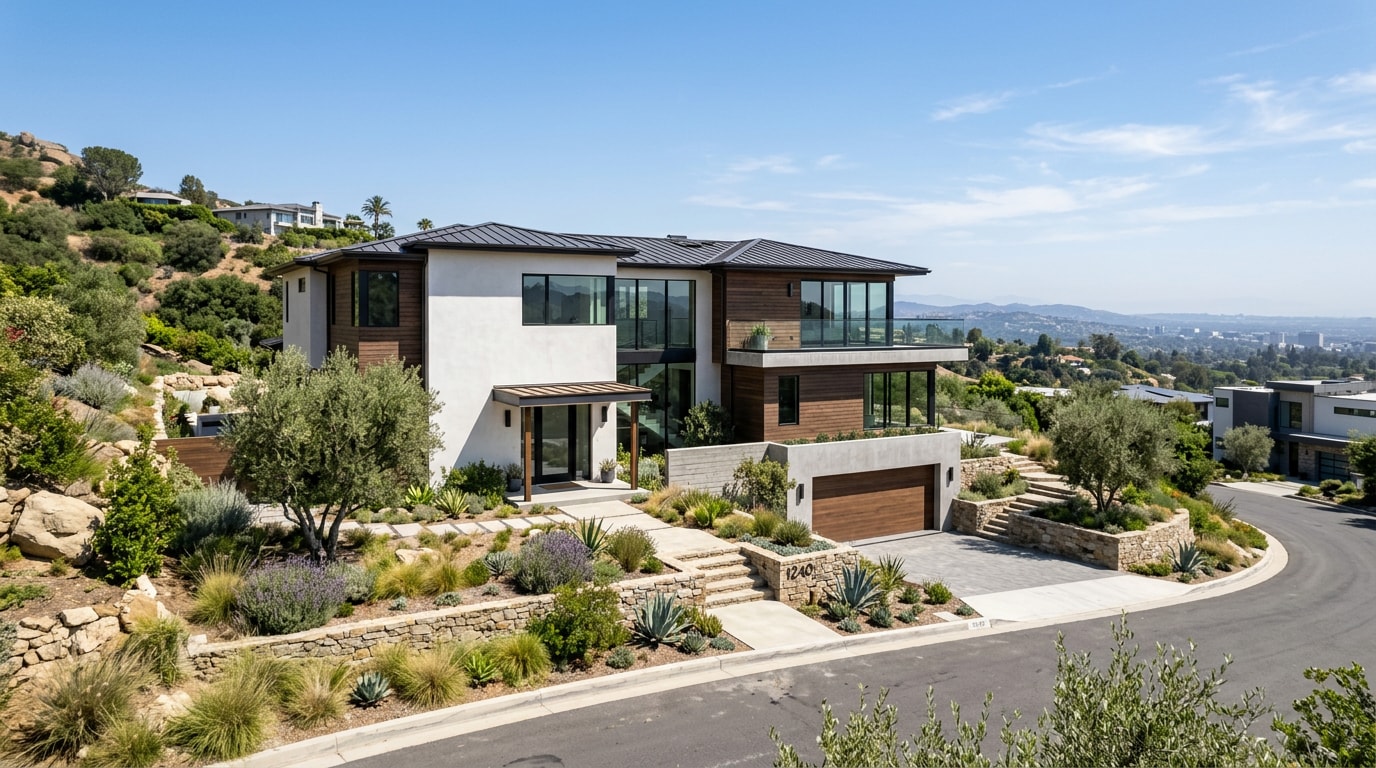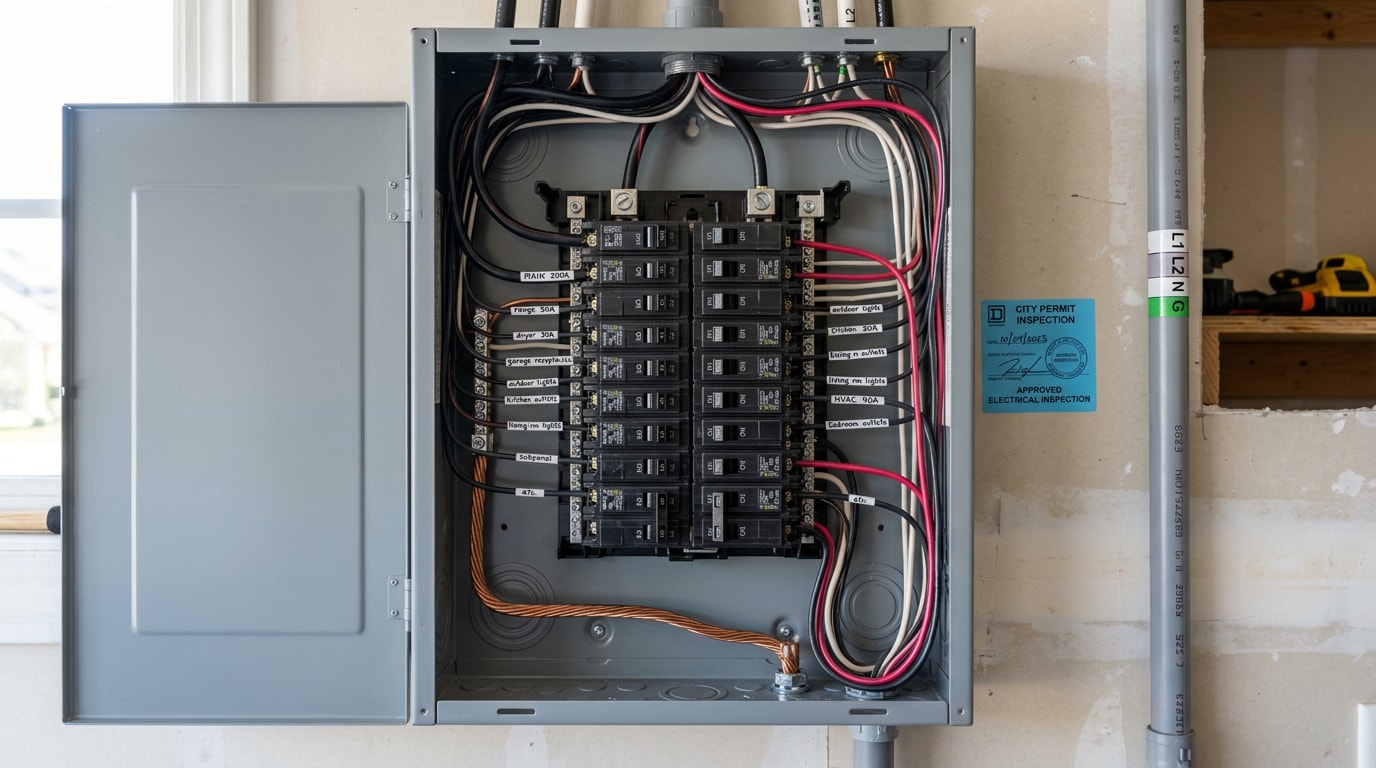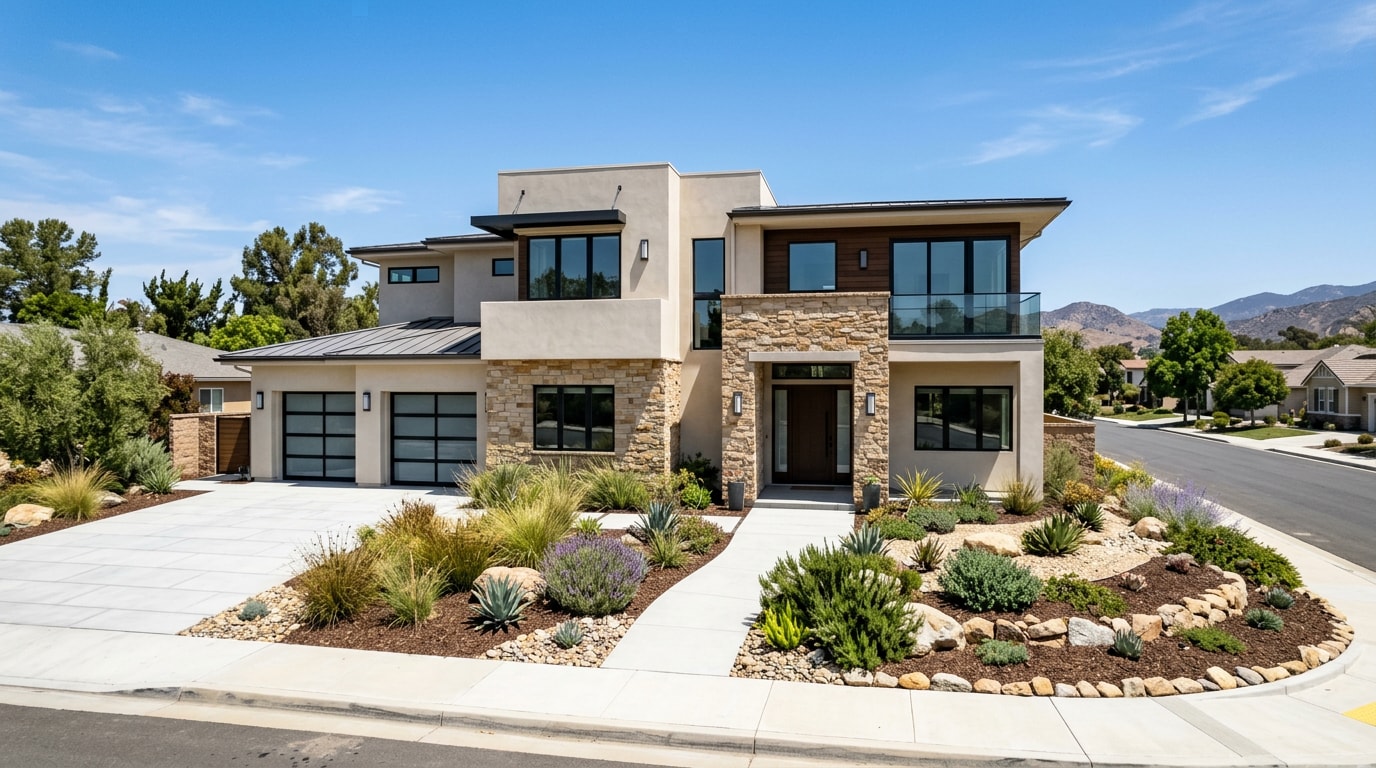
If you're vetting a new home builder in Riverside County, CA, you've probably noticed the cost-per-square-foot numbers don't agree with each other. Published 2026 estimates for this market swing from $140 to $400 per square foot depending on the source, and that gap is the first thing worth understanding before you sign anything.
How Much Does a New Home Builder in Riverside County Charge in 2026?
Three separate 2026 cost sources, each tracking Riverside or the broader Inland Empire, land in different places. The cost to build a house in Riverside ranges from $140 to $270 per square foot depending on the grade of construction you choose. A separate 2026 estimate puts it higher: building costs, excluding land, range from $200 to $400 per square foot, or roughly $400,000 to $800,000 for a 2,000-square-foot home. A third source breaks the Inland Empire into tiers that top out even higher for premium finishes.
| Source (2026 data) | Cost Range (per sq ft, excludes land) | What It Covers |
|---|---|---|
| HomeBlue.com | $140–$270 | Riverside-specific, by construction grade |
| 247Pro.com | $200–$400 | Riverside-specific, hard costs only |
| CostToBuildHouse.com | $192–$388 |
Inland Empire basic-to-premium tiers, noted as the fastest-growing CA region and more affordable than coastal markets
|
The variation isn't a mistake. It comes down to what each number includes. Some figures cover labor and materials only. Others fold in site work. Inland cities like Fresno, Bakersfield, and Riverside are consistently flagged as the most affordable builds in the state compared to coastal California, but "affordable" still covers a wide band once you add the pieces most estimates leave out. Site prep and permits alone commonly add another $5,000 to $30,000 on top of the core build number, and land isn't in any of these figures at all.
The honest takeaway: treat every published per-square-foot figure as a planning range, not a quote. A real number comes from a site visit, a soils report, and a written bid, not a blended average.
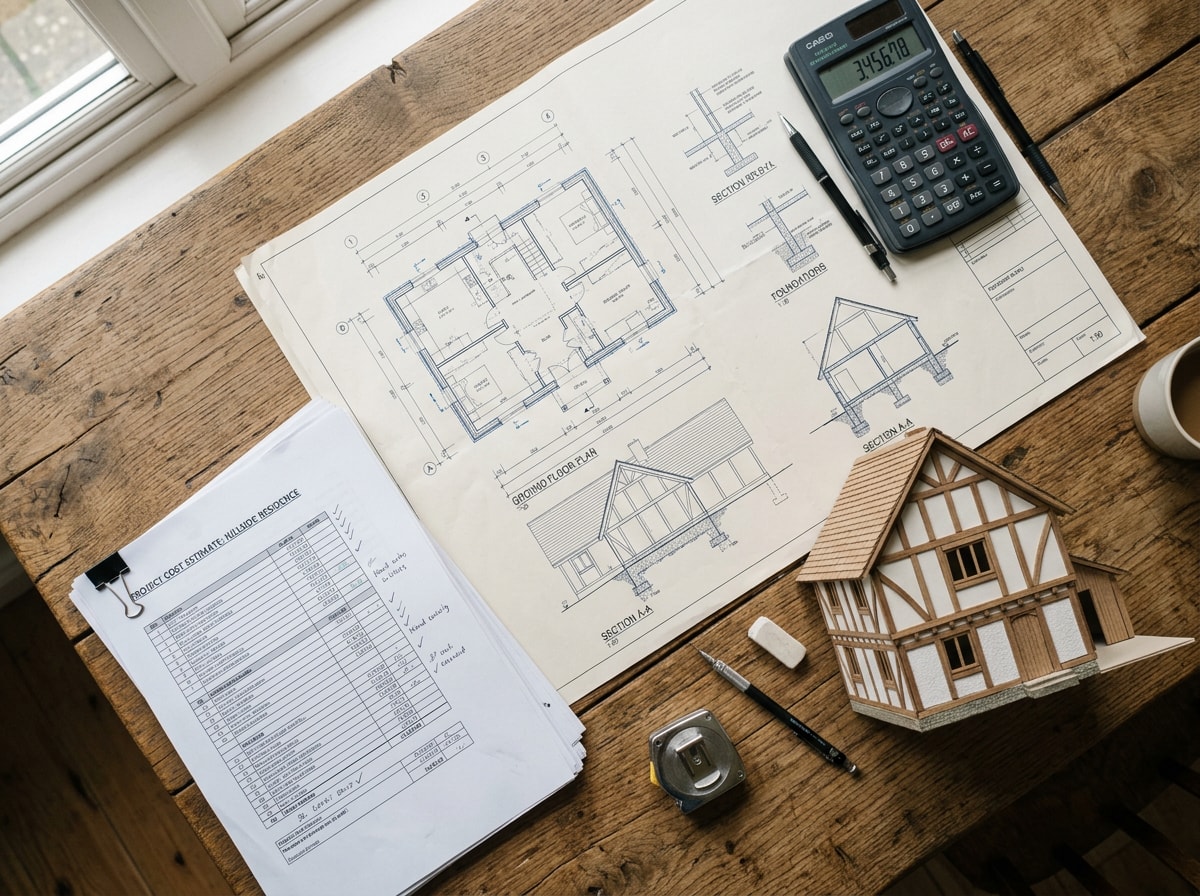
How Long Does It Actually Take to Build a New Home in Riverside County?
Nationally, it now takes 8.8 months on average from authorization to completion, including 1.4 months waiting to start construction and 7.4 months to finish . That number hides a big split by build type. Homes built by hired contractors, the bucket most custom new-construction projects fall into, took about 11.7 months , well above the blended average.
Add Riverside County permitting on top of that national construction window. The City of Riverside publishes its own plan check turnaround standards, and they're more specific than most buyers expect: over-the-counter reviews are same-day, Tier 1 projects run about 10 working days, and Tier 2 projects run about 20 working days , with resubmittals following similar cycles. Projects with corrections, multiple agency sign-offs, or complex grading can stretch well past those baseline numbers.
Put together, a realistic range for a Riverside County custom build is 12 to 18 months from land purchase to move-in, once design, plan check, and construction are all stacked. Fall and winter groundbreakings tend to track the shorter end of that range because framing and exterior work hit milder weather. Summer starts sometimes lose a few weeks to extreme heat slowing crews mid-day.
Budgeting: Where Riverside County Buyers Overspend (and Underspend)
A full project budget needs more line items than most first-time buyers plan for:
- Land acquisition
- Design and architectural fees
- Permits, plan check, and inspections
- Construction and materials
- Landscaping and hardscape
- A 10–15% contingency fund
That contingency line isn't optional padding. If you're financing through a construction loan, lenders typically expect to see it built into the draw schedule before they approve funding.
Finish-level choices eat budget faster than almost anything else. Tile and countertop options are nearly endless, and it's easy to overspend on flooring while shortchanging the plumbing or electrical rough-in that keeps the house functioning for the next 30 years. Pick structural and mechanical quality first. Decide on finishes last, once you know what's left in the budget.
Where to Build: Site Selection Across Riverside County
Established Neighborhoods vs. New Developments
Newer developments across Riverside County's expanding boundaries tend to offer larger lots, modern infrastructure, and a lower entry price per square foot. Established neighborhoods cost more per square foot but come with mature landscaping, shorter commutes to city centers, and a longer resale track record.
Soil and Grade: The Line Item Most Buyers Miss
Riverside sits across a valley with inconsistent soil conditions from one lot to the next. Valley floor and lower terrace areas frequently contain clay-rich soils with moderate to high expansion potential.
That expansion can cause real damage to slabs, foundations, and flatwork if it isn't properly mitigated , which is why the City of Riverside requires a geotechnical investigation and soils report for all new residential construction and most additions . The county applies the same logic: any project requiring a grading permit must provide a soils investigation before foundation design is finalized.
In our own new-construction projects across Riverside County, the soils report and grading review are consistently the step that catches first-time owner-builders off guard. Build that review time into your schedule before you lock in a move-in date, not after.
Grade matters just as much as soil type. Sloped lots generally need more retaining structure and drainage work than flat valley-floor parcels, which is one more reason a blended per-square-foot number can't replace a site-specific bid.
Fast-Growing Submarkets for New Construction
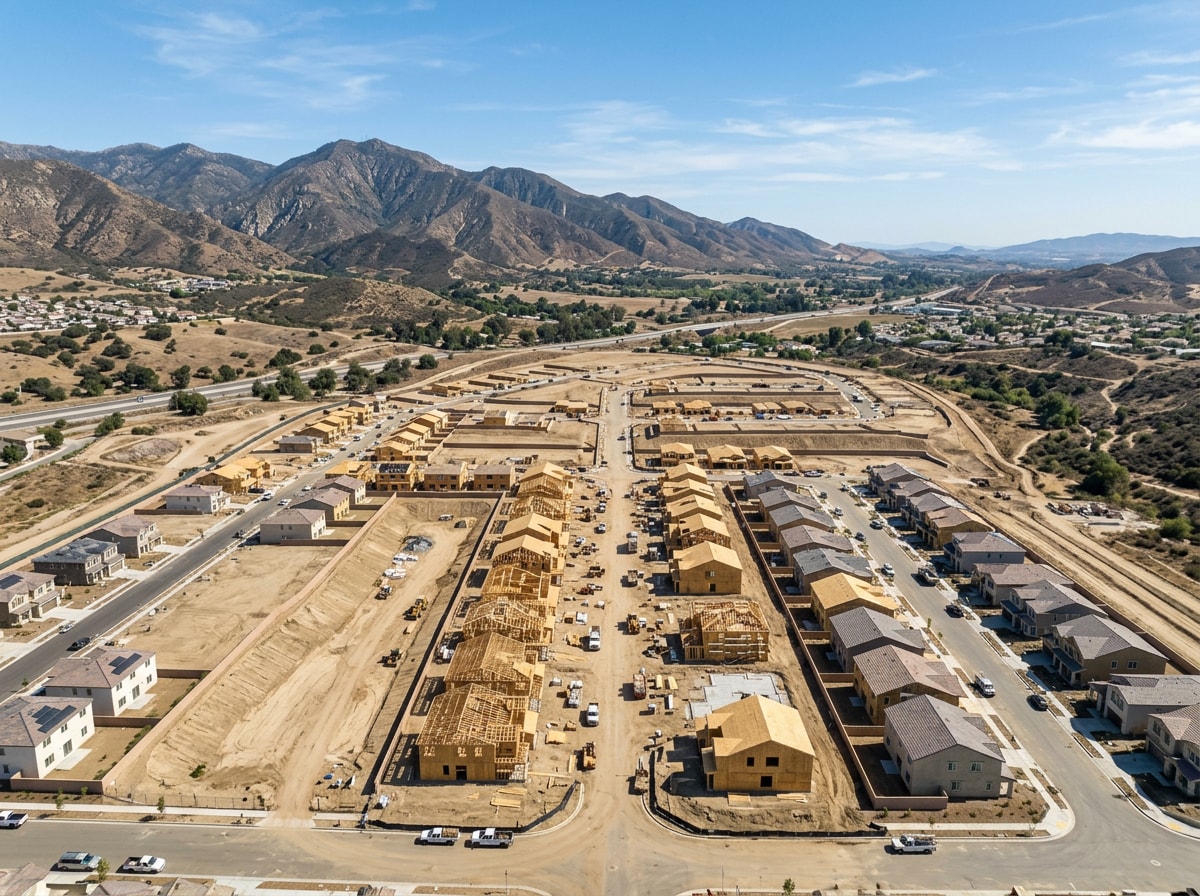
Several Riverside County cities are seeing active new-home development right now, from Eastvale to Jurupa Valley to Temecula. Eastvale in particular has drawn new-home activity positioned as a destination within the Inland Empire , while Jurupa Valley has newer townhome communities adding inventory on the valley floor. Buyers generally choose between building to spec, which takes longer but matches an exact layout, or buying a builder-held new-construction home that's already underway. Browse the communities we build in across Riverside County to see how site conditions vary by area. If you're comparing markets, Orange County follows a very different cost curve, driven by land scarcity and coastal permitting; our Orange County service area page breaks that down separately.
Design: In-House Team vs. Independent Architect
Many established builders maintain in-house design departments already familiar with California code compliance and regional style preferences, which can eliminate a separate architect fee for straightforward builds. Popular styles in the area include Spanish Revival, Craftsman, and modern contemporary, each with different cost and permitting implications. Local HOA rules can still shape what's allowed on a given lot, so confirm those early with your general contractor team before finalizing a design.
Permits, Title 24, and Approvals: What Changed for 2026
Plans need to clear the local Planning and Building Department, zoning and environmental review, and inspections at multiple construction stages. Most first-time builders underestimate how many separate sign-offs that involves.
One rule changed for every 2026 permit: the 2025 update to the California Energy Code (Title 24, Part 6) went into effect January 1, 2026, for new buildings and major renovations. You can review the California Energy Commission's 2026 energy code update directly. In practice, this cycle pushes heat pump space and water heating toward the default choice for most new single-family homes, which is a design decision worth locking in early rather than retrofitting into a near-final plan set.
How to Vet a New Home Builder in Riverside County Before You Sign
Finding the right builder means looking past a portfolio to their actual experience with California's regulatory environment, specifically Title 24 compliance and local soils requirements. A good builder gives transparent estimates, a realistic timeline, and consistent communication without you having to chase it.
Use this comparison framework when interviewing two or three builders:
| Factor | What to Ask |
|---|---|
| Local soil/grading experience | Have they built on similar lots nearby? |
| Design approach | In-house design team, or do you hire an independent architect? |
| Warranty | What's covered, and for how long? |
| Communication | Weekly updates, scheduled site visits, or milestone calls only? |
| License status | Active, bonded, and clear of open complaints? |
Before signing anything, run the builder's license through the CSLB license check tool. Confirm the status reads active, the bond is in place, workers' compensation is current, and there are no open disciplinary actions. It takes a few minutes and can save months of grief later.
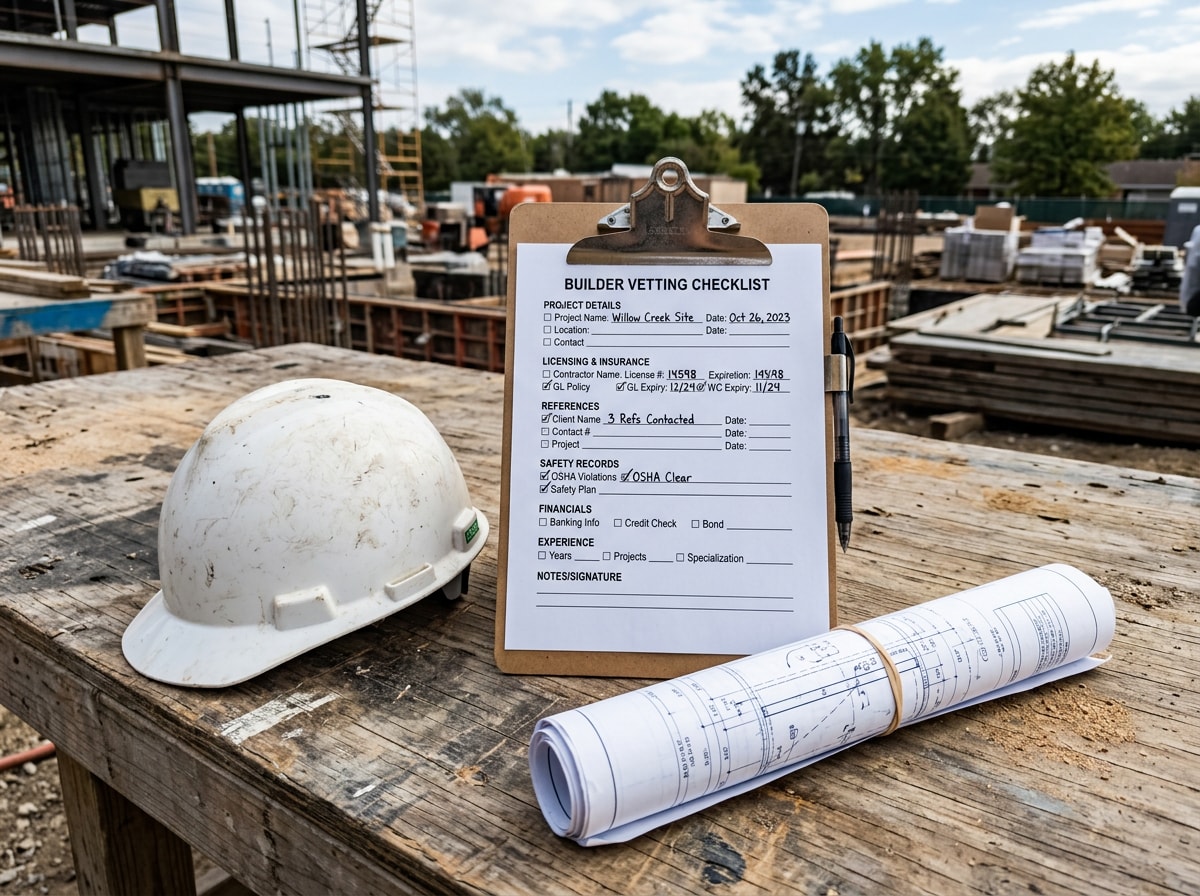
Once you've narrowed your list, get a free estimate and compare an actual written bid against the ranges above. That's the only number that matters for your lot. For a side-by-side look at how this same vetting process plays out one county over, see our new home contractors guide for Los Angeles County.
What Happens Once Construction Begins
Once permits clear, construction generally moves through a predictable sequence:
- Site preparation and grading
- Foundation
- Framing
- Utility rough-in (electrical, plumbing, HVAC)
- Interior and exterior finishes
- Final punch list, painting, and landscaping
Staying involved during this stage matters more than most first-time buyers expect. Regular site visits catch problems early, like a miswired outlet or a finish substitution, before they're buried behind drywall. Most builders welcome scheduled walkthroughs at each phase transition. Ask for one if it isn't already written into your contract.
At DQB Team, new construction, remodeling, and ADU work are handled under one roof, which keeps soils, permitting, and design decisions coordinated instead of split across separate vendors.
FAQ
Where do I start when building a new home in Riverside County?
Start with a general house style and begin looking at available land at the same time. Get rough budget feedback from two or three builders before you purchase a lot. Early pricing input can keep you from buying land that doesn't fit your actual plans.
Who do I hire: a custom home builder or a general contractor?
Custom home builders and general contractors both build houses, but differently. Custom builders keep an in-house team from start to finish, while general contractors hire and manage subcontractors separately.
Both approaches typically run 10% to 20% of total project cost , so the choice usually comes down to communication style rather than price.
Is it cheaper to buy an existing home or build new in Riverside County?
Buying an existing resale home is usually cheaper upfront than a custom build, especially once land, grading, and permitting are factored in. Building only pencils out favorably when you want a specific location, layout, or finish level that resale inventory doesn't offer.
How long does it take to get a building permit in Riverside County?
It depends on the jurisdiction and project complexity. The City of Riverside's own standards show same-day review for simple over-the-counter permits, about 10 working days for Tier 1 projects, and about 20 working days for Tier 2 projects. Unincorporated areas go through the county's Building and Safety Department instead of a city office, and timelines shift with application volume.
Do I need a soils report to build a new home in Riverside County?
Yes, in most cases. The City of Riverside requires a geotechnical investigation and soils report for new residential construction and most additions , and the county requires the same for any project needing a grading permit. Skipping this step isn't an option once plan check starts.
What is Title 24, and does it apply to my new construction project?
Title 24 is California's statewide building energy efficiency code. The 2025 update took effect January 1, 2026, for new buildings and major renovations , and it applies to essentially every new single-family home permitted in Riverside County going forward. Your builder or Title 24 consultant should confirm compliance during plan check, not after framing starts.