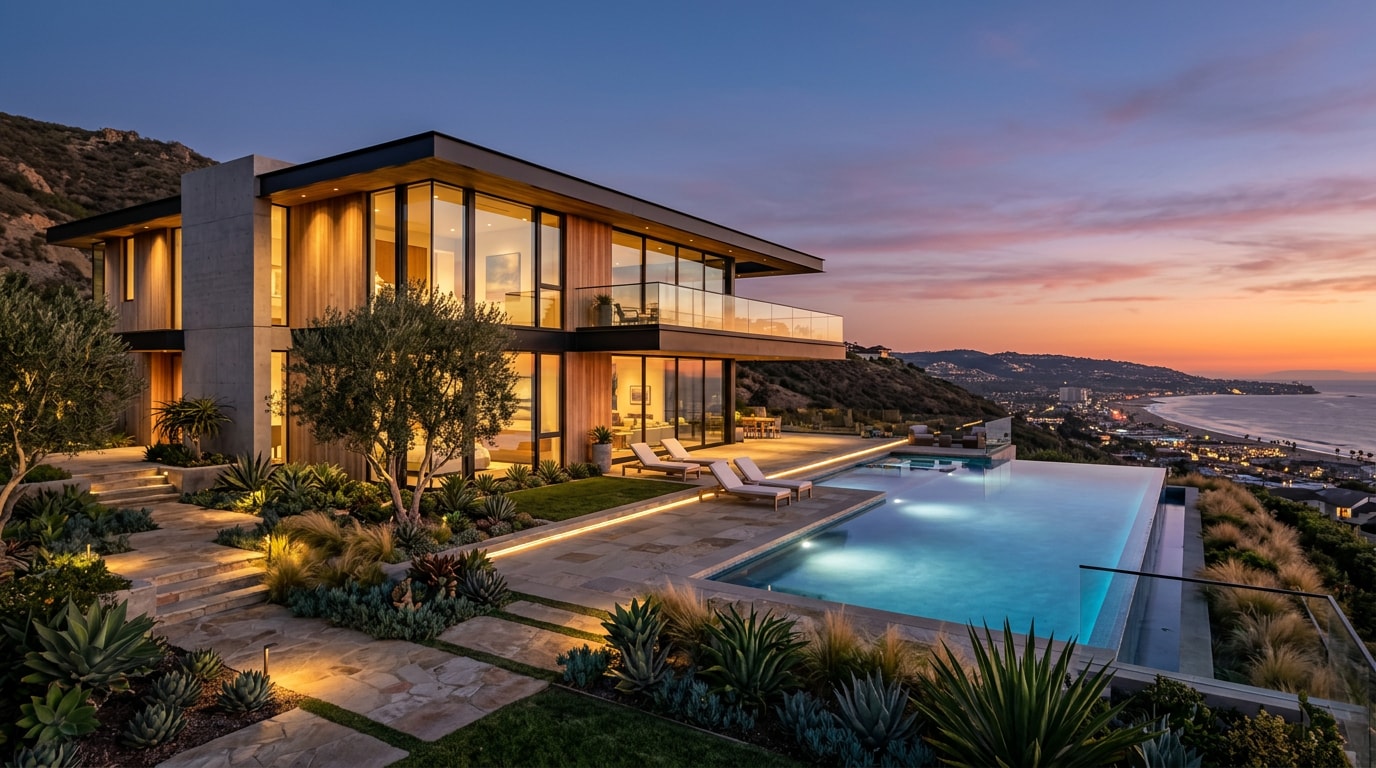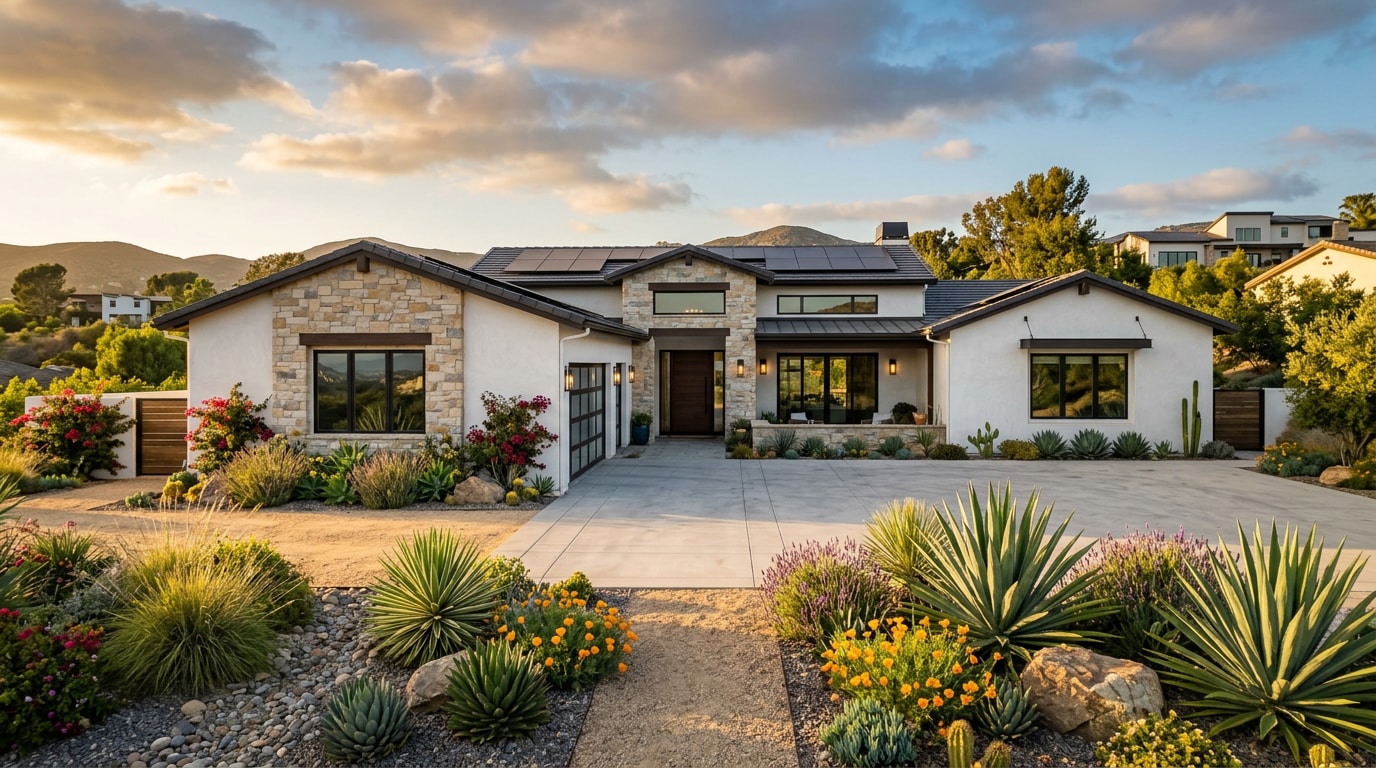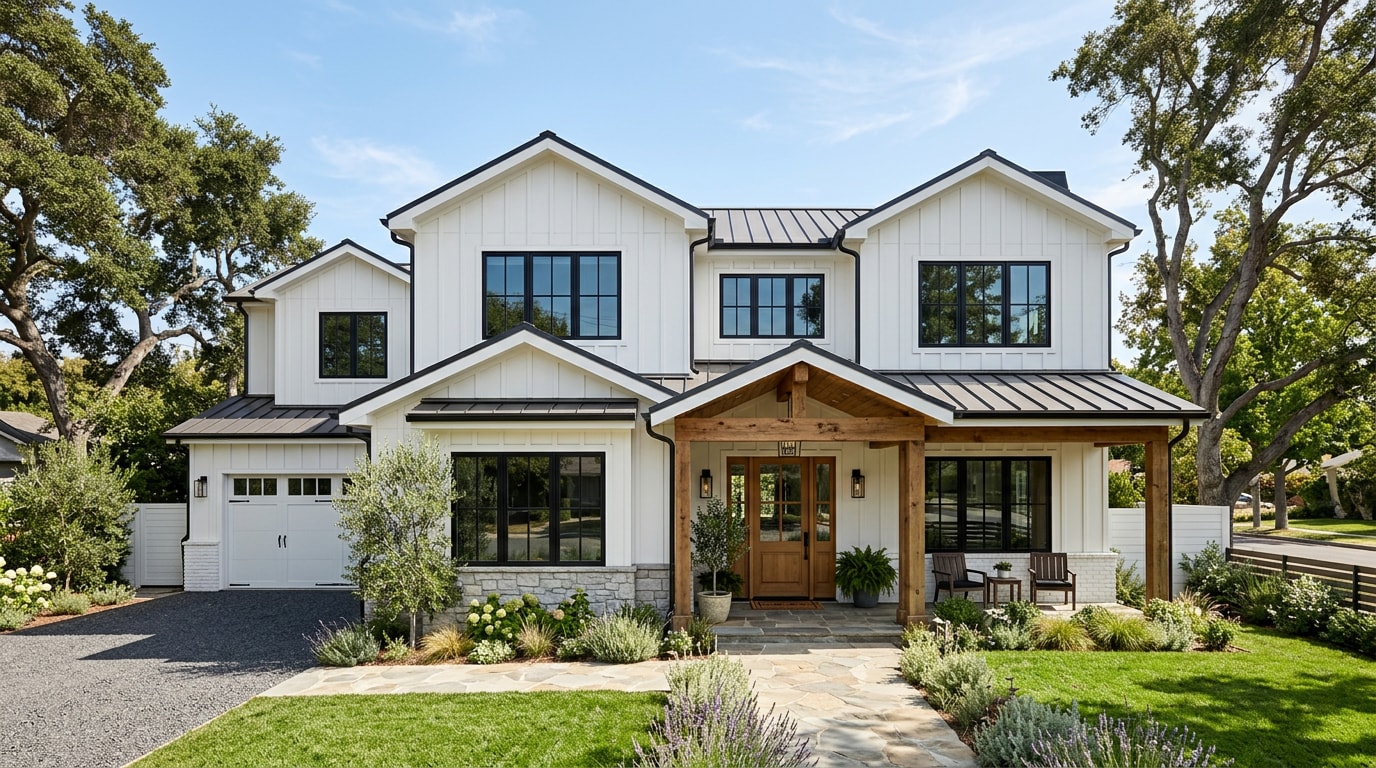
House building contractors Los Angeles County, CA homeowners hire juggle more than most people expect: zoning, soil reports, hillside grading, and a permitting office that runs on its own schedule. The right firm folds design, permitting, and construction into one contract, so you're not managing an architect, a GC, and a permit expediter as three separate vendors. Here's what these contractors actually do, what a build costs in 2026, and how to vet one before you sign anything.
What Does a Custom Home Building Contractor Do in Los Angeles County?
A custom home building contractor in LA County acts as a single point of contact for design, permitting, and construction. Most full-service builders combine the roles of designer, general contractor, and project manager into one team and one contract.
Designing and Planning Your Vision
This phase turns a rough idea into a buildable floor plan. A good contractor sits down with you to talk through lifestyle needs, such as bedroom count, how the kitchen connects to outdoor space, and where storage goes, before sketching layouts and narrowing material choices.
It's a back-and-forth process, not a handoff to a designer who disappears for weeks. Under a design-build setup, the same team that draws the plans also prices and builds them, which tends to keep the vision consistent from sketch to finished house.
What's Included in a Full-Service Build
A full-service contractor's scope typically covers:
- Design and planning
- New construction from the ground up
- Architectural coordination with engineers and consultants
- Sourcing materials and managing lead times
- Day-to-day project management and inspection scheduling
- Smart home tech integration
Explore this stage in more depth on our new construction services page. The key difference from hiring an architect and a general contractor separately is accountability. With one firm handling design and construction, there's no finger-pointing between teams when something needs adjusting mid-project.
How to Choose the Right Home Building Contractor in Los Angeles County
Start with local experience. A contractor who's already built in your specific city understands that jurisdiction's permitting quirks, from hillside grading rules in the Santa Monica Mountains to lot coverage limits in older Valley neighborhoods.
Verify the license directly instead of taking a business card at face value. The Contractors State License Board protects California consumers by licensing and regulating the state's construction industry , and its license lookup tool lets you verify information, including complaint disclosure , in a few minutes on the CSLB license check page.
Beyond licensing, run through this checklist before you sign:
- Ask for three references from projects similar in scale and style to yours, and actually call them
- Confirm bond and workers' compensation status alongside the license
- Walk a past job site if the contractor offers one, not just a photo gallery
- Get the payment schedule and change-order process in writing before a shovel hits dirt
- Ask who will physically run your job day to day, not just who signs the contract
Full general contracting means actively scheduling trades, tracking budget against actuals, and enforcing quality control at each inspection point, not overseeing from a distance. See what that oversight looks like on our general contractor services page, and check our Los Angeles service area page to confirm coverage in your city. If you're comparing new-build specialists specifically, our new home contractors vetting guide breaks down cost drivers and red flags in more detail.
Ready to compare a real bid against the ranges below? Get a free estimate before you commit to a design.
How Much Does It Cost to Build a Custom Home in Los Angeles County?
Cost to build a custom home in LA County generally runs on a per-square-foot basis, but that number swings widely depending on finish level, lot conditions, and location within the county. A realistic budget separates hard construction costs from soft costs like design, permits, and contingency reserves.
Rather than quoting one flat number, it helps to see how estimates vary by tier:
| Finish Level | Approx. Cost per Sq. Ft. (Los Angeles) |
|---|---|
| Standard/production-grade | $350 to $450 |
| Mid-range custom | $450 to $650 |
| High-end/luxury custom | $650 to $1,000+ |
These ranges are directional, not guarantees. Steep lots, custom engineering, and imported materials push costs toward the top of each tier or beyond it.
Planning for Permits, Fees, and Other Costs
Soft costs sit on top of construction pricing and are easy to underestimate. Architectural and engineering fees, land surveys, soil reports, and insurance are typically billed separately from the build itself.
Permit fees are a significant piece of this. LADBS assesses fees in multiple stages rather than one lump sum, and fee schedules and valuation tables can be downloaded, or permit fees can be estimated online using the Permit Fee Calculator , through the Los Angeles Department of Building and Safety.
Regulation adds up more than most homeowners assume nationwide. NAHB estimates that regulations imposed at the federal, state, and local levels now add $131,734 to the cost of an average new single-family home, equal to 26.4% of the home's final price . California's permitting, Title 24 compliance, and seismic engineering layers typically land on the higher end of that curve. Most experienced contractors recommend a contingency fund of 10 to 15% of the total budget, since older lots and hillside parcels often surface surprises once grading starts.
Custom Home Building Process, Step by Step
The process in LA County generally moves through a predictable sequence: site work, framing, rough-in systems, and finishes, each gated by a city inspection before the next phase begins. Nationally, it now takes about 8.8 months from start to finish on average, but the Pacific division, which includes California, ran at 10.3 months in 2025, higher than the national average . Custom, hillside, or larger LA County builds commonly run longer than that regional figure once design complexity and plan-check cycles are factored in.
Site Work & Foundation
Site work covers grading, utility connections, excavation, footings, the foundation pour, and the inspection that signs off before framing starts. This stage usually takes several weeks on a flat lot.
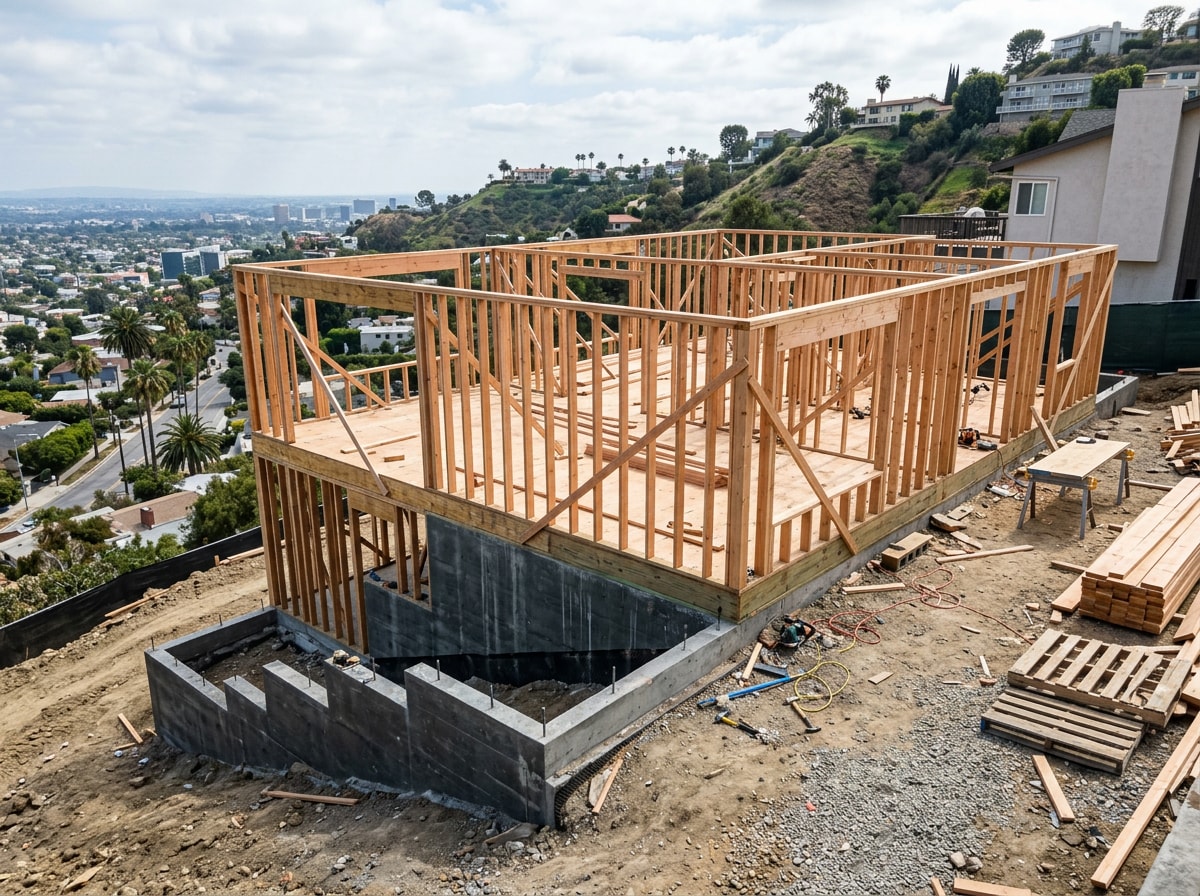
Hillside or sloped parcels, common across LA County, often add extra time here for retaining walls and soil stabilization. Expect this phase to run longer than a flatland build.
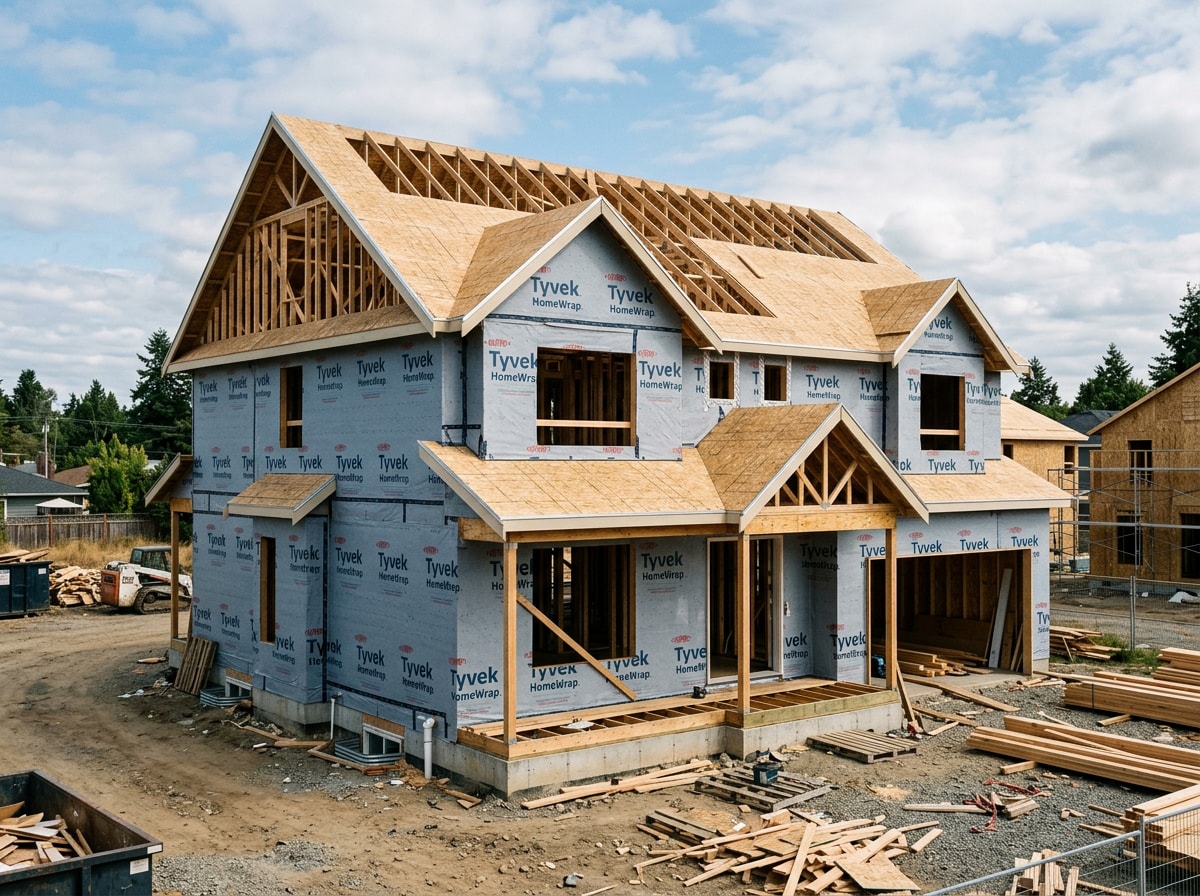
Framing & Dry-In
Framing builds the home's skeleton: structural walls, floor systems, and roof trusses. Once the roof sheathing goes on and the building is weatherproofed, the project reaches "dry-in," a milestone that protects interior work from the elements.
A structural inspection typically has to clear before insulation and systems work can begin.
Rough-In Systems & Drywall
Plumbing, electrical, HVAC, and low-voltage wiring all get roughed in before insulation and drywall close up the walls. Each trade requires its own city inspection, so problems get caught before walls are sealed.
Energy compliance gets checked at this stage too. California's latest Energy Code update went into effect January 1, 2026, increasing the energy efficiency requirements for new single-family homes and additions or alterations to existing buildings , and current standards are published on the California Energy Commission's building efficiency page. Skipping or rushing this sequence is one of the most common causes of delay.
Interior Finishes
Cabinetry, flooring, tile, millwork, and paint round out the home's interior. Long-lead items like custom windows or imported stone can stretch this stage if they're not ordered early.
Builders who track lead times from day one tend to avoid finish-stage delays.
What to Expect During Construction
A dedicated project manager should provide regular updates, not leave you to guess at progress. Scheduled walkthroughs at key milestones, like dry-in, rough-in completion, and pre-drywall, give you a chance to confirm details before they're sealed behind walls.
Building a Custom Home in Los Angeles County: What Sets It Apart
Building here involves layers a national guide wouldn't flag: LADBS permitting and inspections, CSLB contractor licensing, hillside and seismic engineering requirements, and Title 24 energy compliance. Contractors already familiar with LA building code navigate these faster than a firm working in the county for the first time.
Hillside construction in particular can trigger geotechnical review and additional engineering, which affects both cost and timeline. None of this is universal. Specific requirements depend on the parcel, zone, and scope of work, so confirm specifics with your contractor and the local building department early. For larger-scope projects, our whole house remodeling services and room addition services cover adjacent work that often gets bundled into a new build or major rebuild.
Top Design Trends for Your LA Custom Home
Modern Farmhouse, Spanish Revival, and minimalist Modern are all having a moment across LA County right now, often blended with strong indoor-outdoor living elements like pocket doors, covered patios, and sightlines from kitchen to yard.
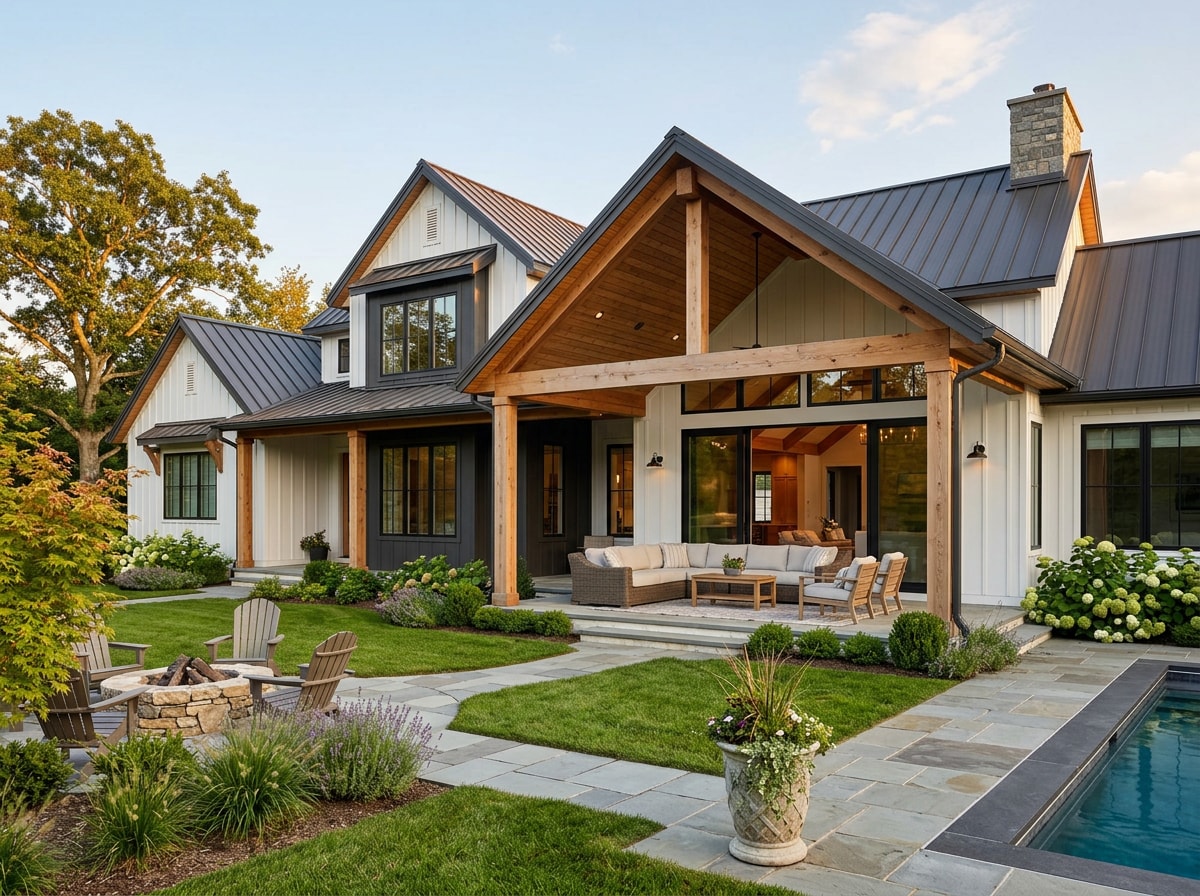
These styles aren't fixed rules, but they reflect what buyers are requesting most right now.
FAQ
What should I look for when choosing a custom home builder in Los Angeles County?
Look for local building experience, a verifiable active CSLB license, a portfolio matching your project's scale, and a willingness to meet in person before you sign anything. A contractor who answers questions directly, without vague deflection, is usually a good sign.
What's the difference between a custom home builder and a general contractor?
A custom home builder typically manages the project from initial design through final completion as a single point of contact. A general contractor is sometimes brought in only after design is finalized, managing construction but not the earlier planning stages.
Can home building contractors also handle renovations and remodels?
Yes. Most full-service contractors in LA County handle new construction alongside renovations and remodels, including kitchens, bathrooms, and whole house remodeling projects.
Do I need a permit to build a new house in Los Angeles County?
Yes, every new single-family home requires LADBS permits for building, electrical, plumbing, and mechanical work, plus plan check approval before construction starts. Skipping permits risks stop-work orders, fines, and problems when you try to sell.
How long does it take to build a custom home in Los Angeles County?
Most custom homes in LA County take roughly 10 to 18 months from permit approval to move-in, depending on size, design complexity, and how quickly plan check clears. Hillside lots and highly custom designs tend to land at the longer end of that range. Ready to get a realistic timeline for your project? Request a quote to start the conversation.
How much does it cost to build a house in Los Angeles County?
Costs generally range from roughly $350 to over $1,000 per square foot depending on finish level, as outlined in the cost breakdown above. Soft costs, including permits, design fees, and contingency, sit on top of that per-square-foot construction number, not inside it.
Is it cheaper to buy an existing home or build new in Los Angeles County?
It depends on the lot and your finish expectations. Buying is usually faster and often cheaper upfront in built-up neighborhoods, while building new makes more sense on a lot you already own or when you want a layout and finish level you can't find on the resale market.
If you're ready to put real numbers against your project, visit DQB Team or contact us for a free estimate grounded in current LA County permit and material costs.