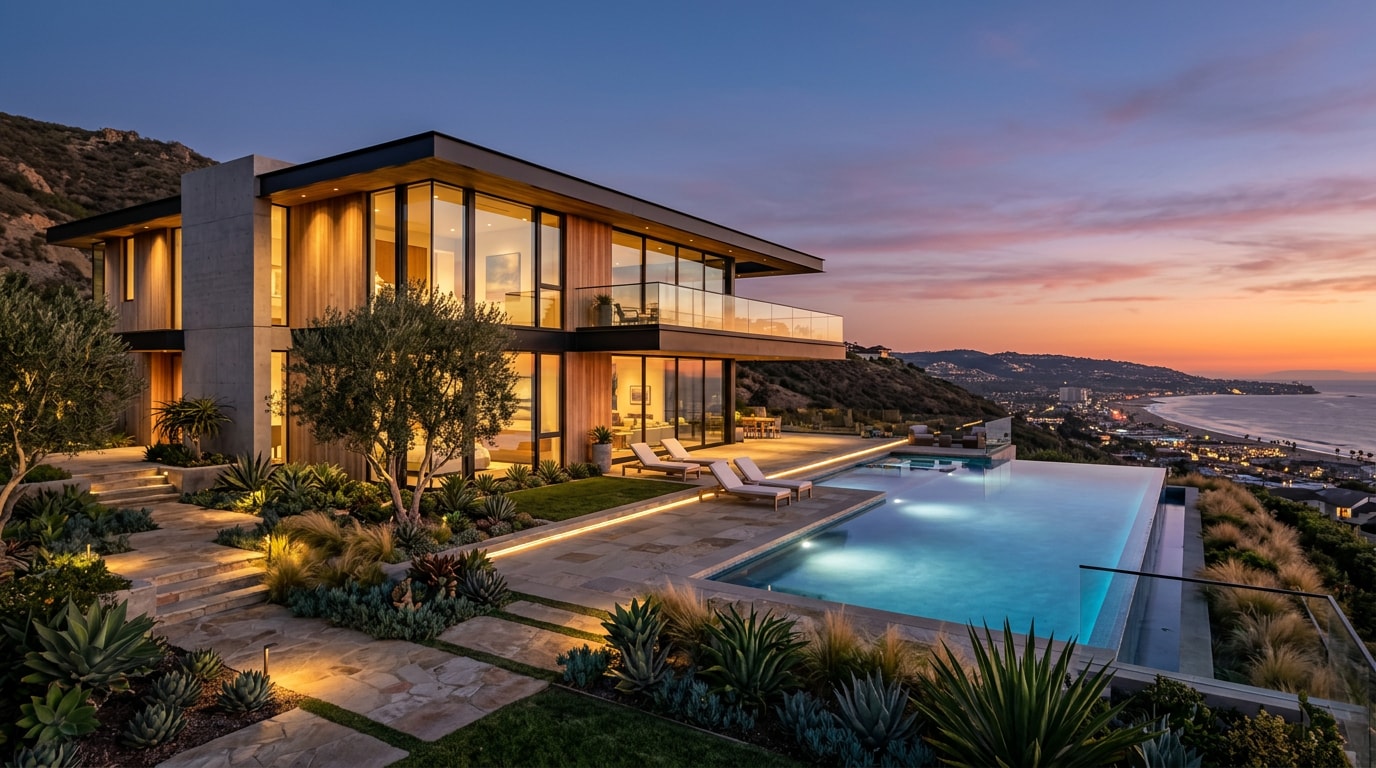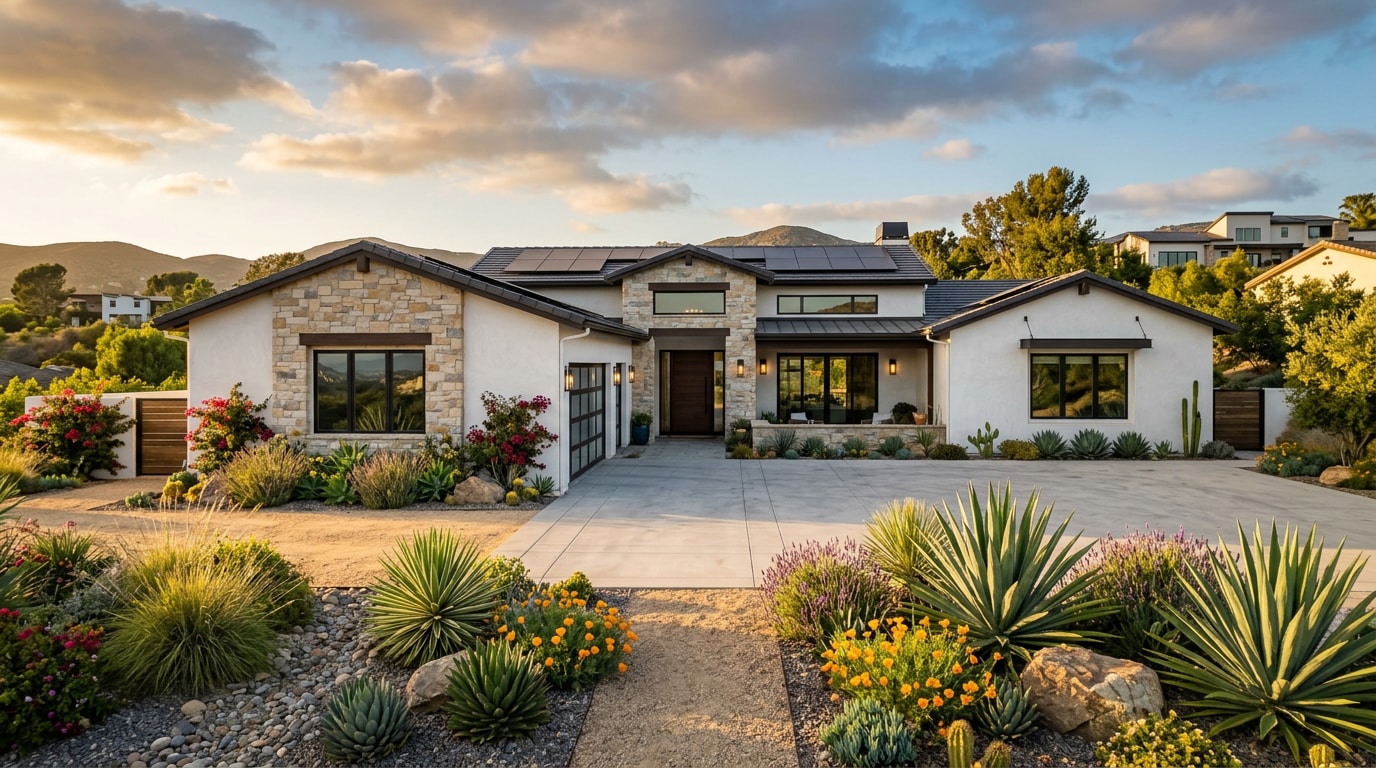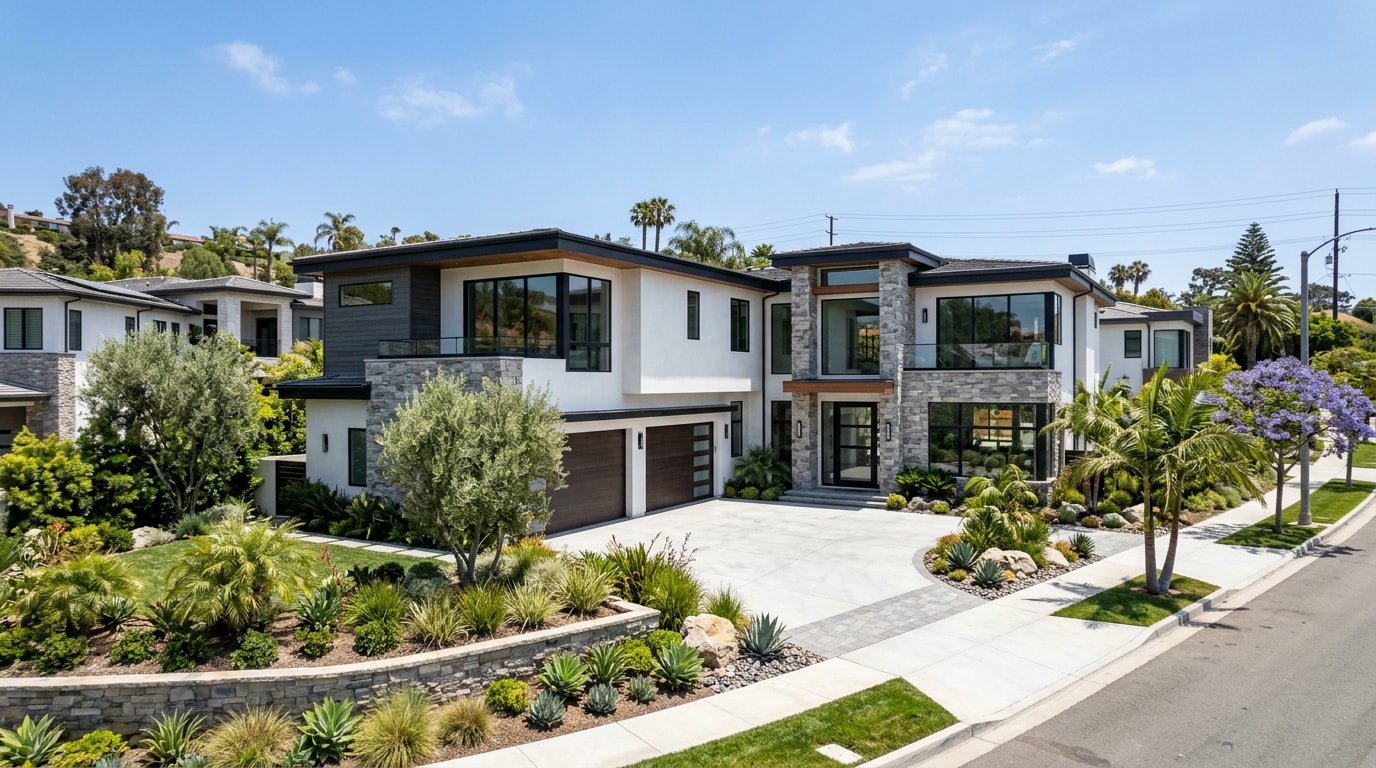
Home builders Orange County residents actually recommend fall into three very different categories, and picking the wrong one for your project is the single most expensive mistake homeowners make here. Some firms only build in planned communities, others specialize in one-of-a-kind custom homes, and many handle remodels and additions exclusively. This guide breaks down which type fits your project, what services and pricing to expect in 2026, and the permitting realities most builder websites leave out.
Production, Custom, and Design-Build: Which Builder Type Fits Your Project
Orange County's builder market splits into three lanes, and knowing which one you need before you start calling saves weeks of wasted consultations.
- Production builders sell new construction in planned communities with a limited set of floor plans and finish packages. You pick from what's available; you don't redesign the layout.
- Custom home builders work from a blank lot or teardown, coordinating architecture, engineering, and construction as one connected project instead of separate hand-offs.
- Design-build remodeling firms focus on whole-house remodels, additions, kitchens, and bathrooms, often using the same in-house team for design and construction to avoid the finger-pointing that happens when architect and contractor are separate companies.
Orange County's housing stock makes this split matter more than it would in a less varied market. Coastal enclaves, older inland neighborhoods, and master-planned suburban tracts each come with different structural quirks, HOA rules, and permitting paths, so a builder's lane often tells you more about fit than their marketing page does.
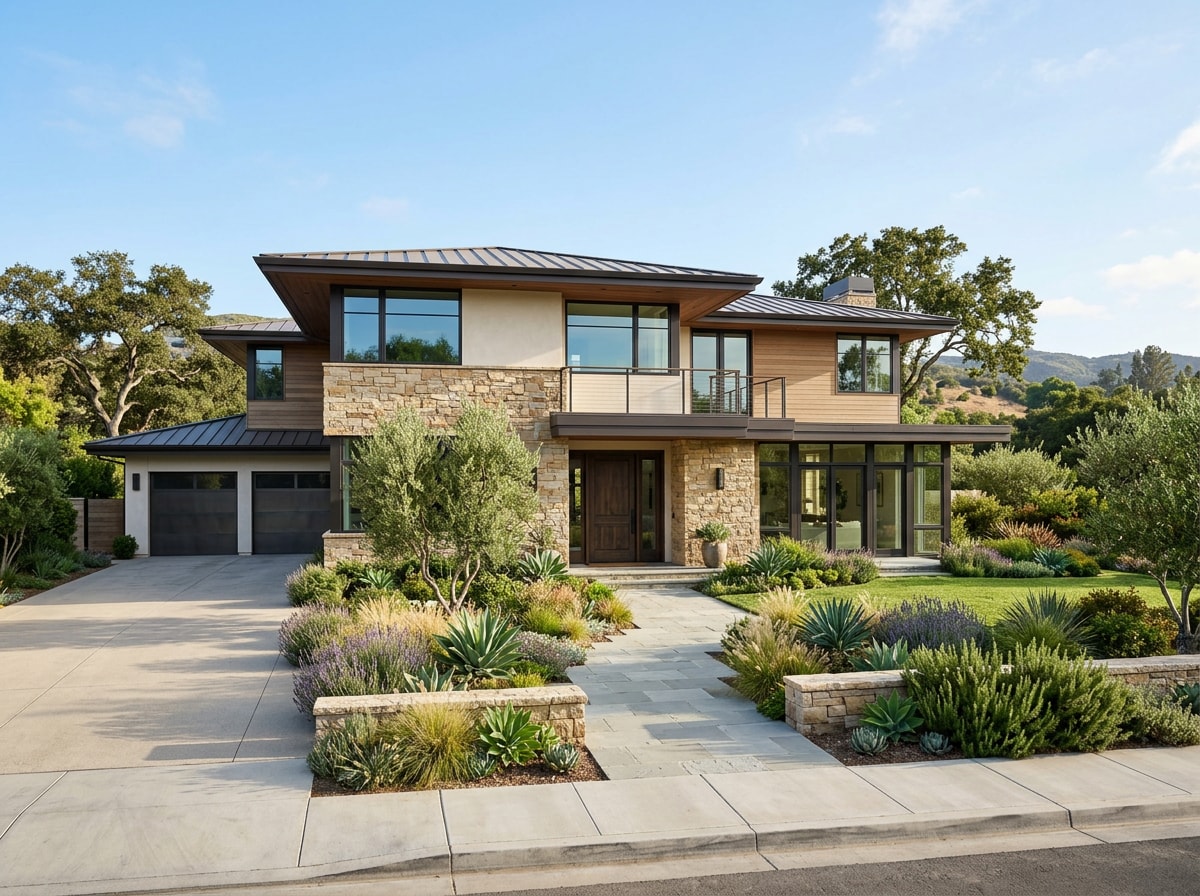
How Much Does It Cost to Build or Remodel in Orange County in 2026
Cost is the question most homeowners actually want answered before they pick up the phone, and most builder sites bury it. Here's a realistic breakdown by project type, not counting land.
| Project Type | Typical Cost Range | Notes |
|---|---|---|
| Standard-finish custom home | $300–$450 per sq ft | Semi-custom cabinets, engineered stone, upgraded builder-grade fixtures |
| Mid-to-high-end custom home | $450–$650 per sq ft | Full custom cabinetry, natural stone, premium appliance packages |
| Ultra-luxury coastal build | $650–$900+ per sq ft | Bespoke millwork, whole-home automation, elevators, pools |
| Whole-home remodel | $150–$400 per sq ft of remodeled space | Varies heavily by scope and how much is structural vs. cosmetic |
| Kitchen remodel | $40,000–$150,000+ | Driven by cabinetry, appliance tier, and layout changes |
| Bathroom remodel | $20,000–$70,000+ | Waterproofing and plumbing relocation push costs up fast |
Land is almost always the bigger line item in Orange County, and it's never included in these per-square-foot figures. For context on how construction costs compare nationally, the average single-family home sales price in the 2024 NAHB Construction Cost Survey is $665,298, the highest average sales price in the survey's history , which helps explain why Orange County's premium over the national average is driven as much by land and site conditions as by finish level. Treat any early quote as a placeholder until engineering and selections are locked in. If you want numbers specific to your lot, request a free estimate rather than relying on averages.
Full-Service Builder Capabilities: What to Expect
Most established Orange County builders offer more than one service line. Checking whether a builder covers your entire project, or just a piece of it, is worth doing before you sign anything. A general contractor's full services menu should make this easy to verify.
Ground-up and structural work:
- New construction coordinating design, engineering, permitting, and budgeting as one project
- Structural remodeling for load-bearing changes and major reconfigurations
- Room additions and expansions
- Foundation pouring and waterproofing
Whole-home and interior remodeling:
- Whole house remodeling coordinating kitchen, bath, and living space updates into a single project
- Kitchen remodeling and [bathroom remodeling]({{SITE_URL}}/services/kitchen-and-bathroom-remodeling/bathroom-remodeling}
- Custom cabinet installation and countertop installation
- Interior remodeling and flooring
ADUs and garage conversions:
A real kitchen remodel touches cabinetry, appliances, countertops, plumbing, and electrical, all of which need correct sequencing by a project manager to avoid costly rework. The most important parts of a bathroom remodel sit behind the tile: waterproofing, drainage, plumbing, and ventilation. Finishes matter, but shortcuts on what's hidden cost more down the road. A well-built room addition matches your home's existing rooflines, structure, and flow so it feels original instead of bolted on, which is worth confirming by looking at a builder's past addition projects before you hire them.
Why Local Permitting Experience Matters Across Orange County
A builder's familiarity with local permitting, HOA requirements, and neighborhood-specific rules often decides how smoothly your project runs, and this matters more in Orange County than in most regions.
Coastal cities layer coastal review and strict HOA design guidelines on top of standard city permitting. Any project within the California Coastal Zone can trigger a separate review track, since development activities broadly defined by the Coastal Act, including construction of buildings, generally require a coastal permit from either the Coastal Commission or the local government . That review runs on its own calendar, not the city's, which is why coastal projects in cities like Huntington Beach routinely take longer to clear than similar projects a few miles inland.
Inland communities such as Irvine and Mission Viejo tend to move through city plan check faster but still enforce their own HOA architectural committees, which meet on a monthly schedule and can stall a project regardless of how fast the city itself moves. Older urban centers like Santa Ana and Costa Mesa bring their own mix of historic-district rules and aging infrastructure that can surface mid-project. In our own project work across the county, the builds that stay closest to the original schedule are the ones where HOA submittals and city plan check run in parallel instead of one after the other.
New construction and major remodels also have to meet California's current energy code. The California Energy Commission is transforming buildings through standards and programs for newly constructed and existing buildings , and those standards get updated roughly every three years, so a builder working from an outdated compliance package can cost you a failed plan check. A builder who has pulled permits in both coastal and inland cities will anticipate this kind of paperwork before it becomes a delay. Before assuming any name on your shortlist knows your specific city's requirements, check their actual service area coverage.
How to Vet and Choose an Orange County Home Builder
Evaluate every builder on your shortlist against the same questions. Consistency here is what lets you compare options fairly instead of relying on gut feeling.
- Ask about specialization, not just experience. How many projects like yours specifically has this builder completed in the last two years?
- Request real references, not testimonials. Call past clients and ask how the builder handled a permit delay or an unexpected structural issue, not just whether they liked the finished kitchen.
- Review a documented process. A builder who can't show you their phase-by-phase process probably doesn't have one.
- Confirm licensing and insurance directly. Don't take a logo on a website at face value; verify it.
- Check how pricing is structured. You want a documented scope of work, not a one-line estimate.
- Walk a finished project if possible. Craftsmanship details in person tell you more than any photo gallery.
If a builder specializes in custom homes, understanding their full process before you request a quote is worth the time. Our step-by-step custom home building process guide walks through what a well-run project actually looks like from permit submittal to final walkthrough.
From First Sketch to Final Walkthrough: Our Design-Build Process
A defined, phased process is what separates a smooth build from a stressful one. Reputable design-build firms move projects through distinct stages built around planning, communication, and execution rather than figuring things out as they go.
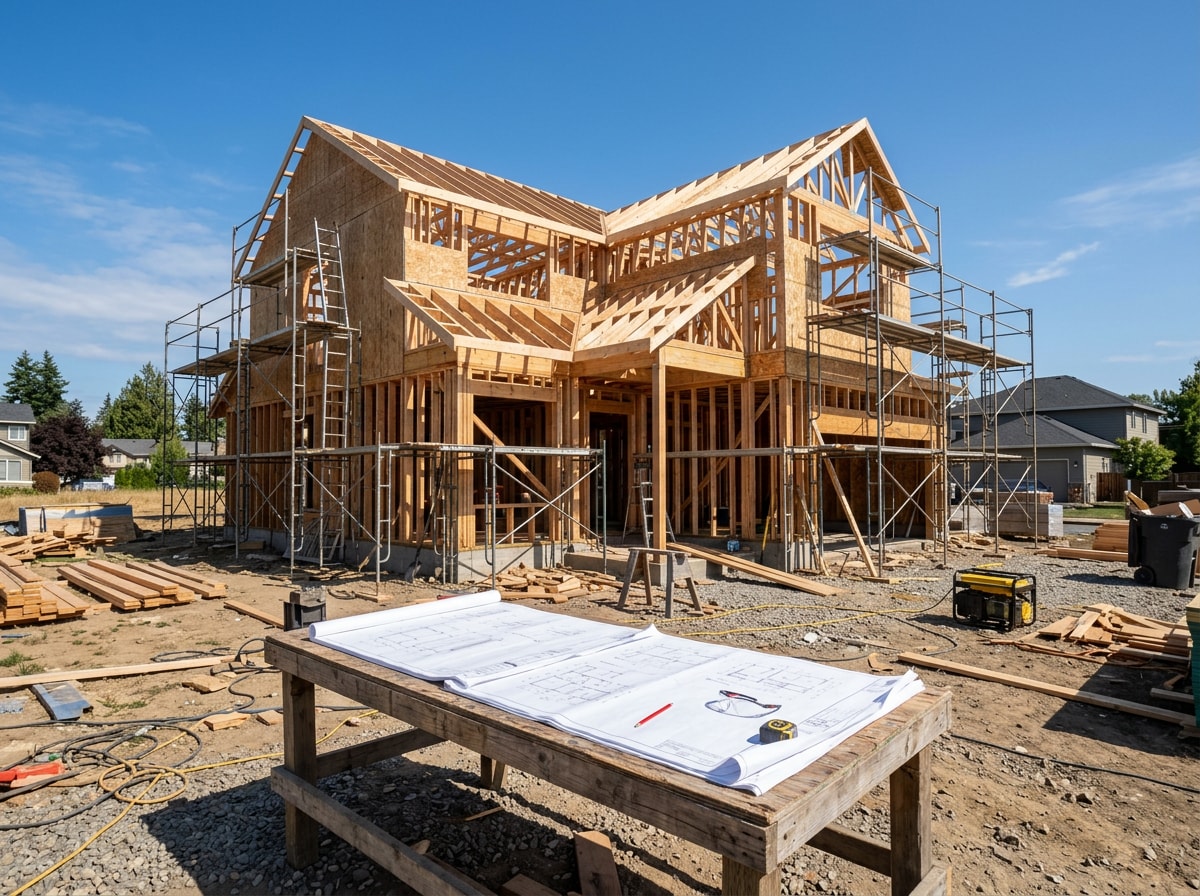
Phase 1: Planning and design. Early-phase work coordinates design, engineering, permitting, and selections until you have an approved plan with a clearly defined scope of work and budget, before construction begins. Expect roughly two to four months here.
Phase 2: Permitting. Submittal, plan check, and corrections typically run two to six months depending on the city and whether coastal or HOA review applies.
Phase 3: Construction. Once plans are approved, the builder coordinates trades, scheduling, and purchasing, overseeing field details through the final walkthrough and into warranty coverage. Most full custom builds run ten to eighteen months.
Whether your project is ground-up construction or a full gut remodel, the same discipline applies: don't start the next phase until the current one is actually signed off. If you're ready to put real numbers against your own project, contact us for a free estimate.
Who Wrote This Guide
This guide was written and reviewed by the DQB Team's project management staff, general contractors who handle custom home construction, whole-home remodels, and ADU projects across Orange County and surrounding counties. Questions about your specific project, lot, or city? Reach out directly and we'll walk through it with you.
FAQ
Do Orange County home builders offer a home warranty?
Most reputable builders offer a tiered warranty, commonly structured as 1-2-10. The 1-year insurance-backed portion covers items such as roof covering, cabinets, countertops, door panels, exterior siding, hardwood floors, drywall, interior trim, and paint; the 2-year warranty is a builder's surety warranty covering behind-the-wall mechanical defects including supply piping, waste piping, ductwork, and electrical wiring; and the 10-year warranty covers load-bearing aspects including roof framing, load-bearing walls, beams, columns, foundation, and floor framing. This standard gives homeowners a baseline for comparing warranty coverage instead of taking marketing claims at face value.
How much does it cost to build a custom home in Orange County?
Standard-finish builds generally run $300–$450 per square foot, mid-to-high-end custom homes run $450–$650, and ultra-luxury coastal builds can exceed $650–$900 or more. Land is almost always separate and in Orange County frequently represents the larger share of total project cost. Treat any early number as an estimate until engineering and selections are finalized.
How long does it take to build a custom home in Orange County?
Expect roughly two to four months for pre-design and design work, two to six months for permitting depending on the city and whether coastal review applies, and ten to eighteen months for construction. Coastal projects requiring Coastal Commission review tend to run on the longer end of that permitting window.
Do you build new custom homes or only remodel?
Most full-service Orange County builders handle both: ground-up custom homes, whole-home remodels, and major room additions, often with the same project management team throughout.
Is it cheaper to buy a new home or build a custom one in Orange County?
Buying from a production builder in a planned community is almost always cheaper upfront than commissioning a custom build, because production pricing spreads land, design, and permitting costs across an entire tract. A custom build costs more but gives you control over the lot, layout, and finishes that a production floor plan doesn't offer.
How do you structure project pricing?
Pricing is typically organized around a documented scope of work, so you can see exactly what's included and how specific selections affect the total. Request a free consultation for project-specific numbers rather than relying on general estimates.