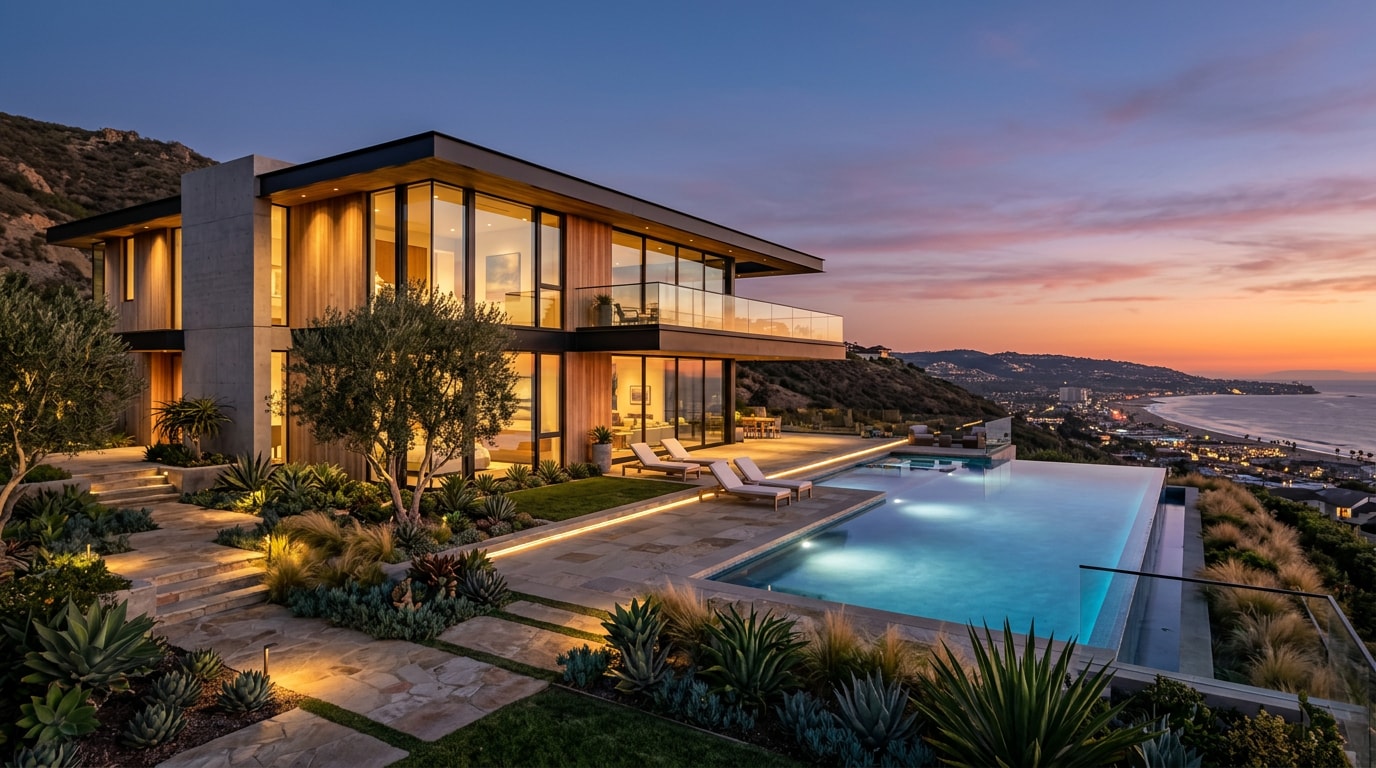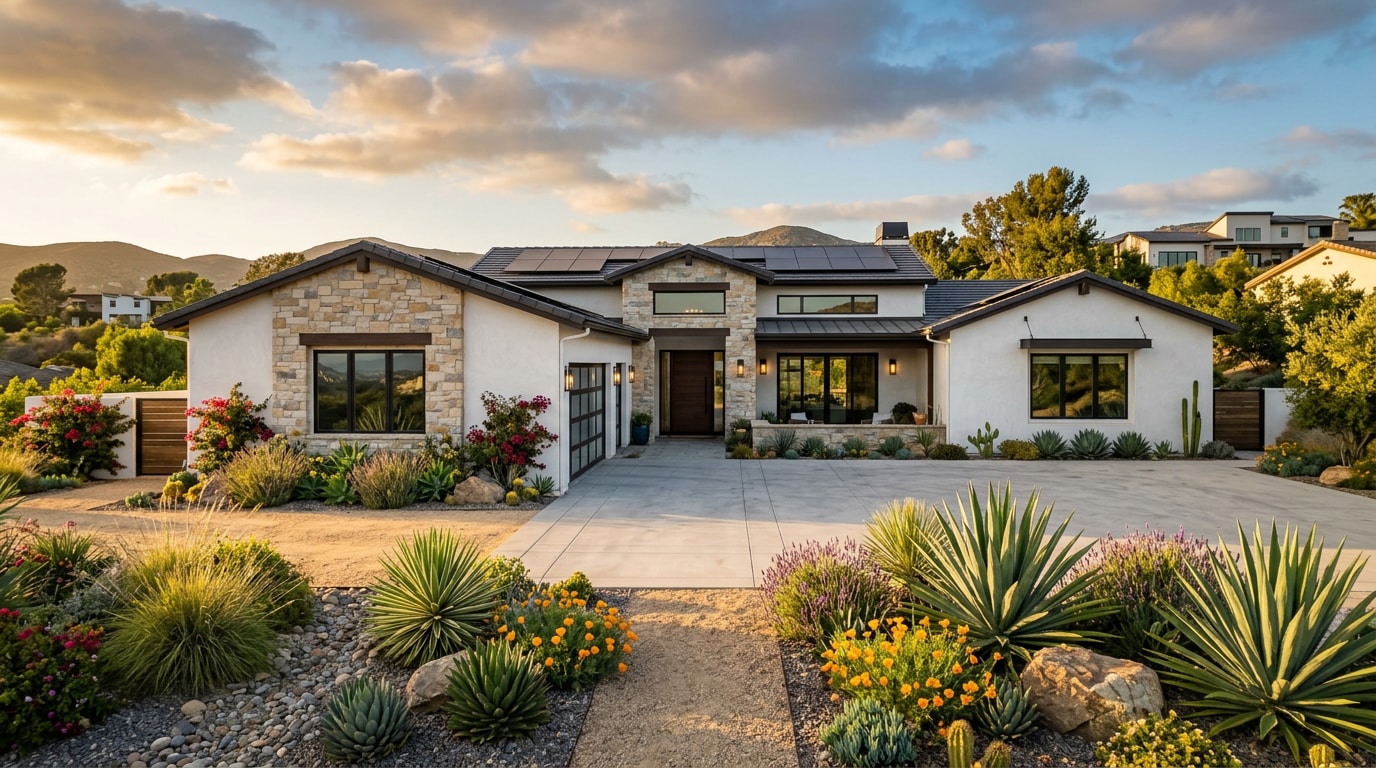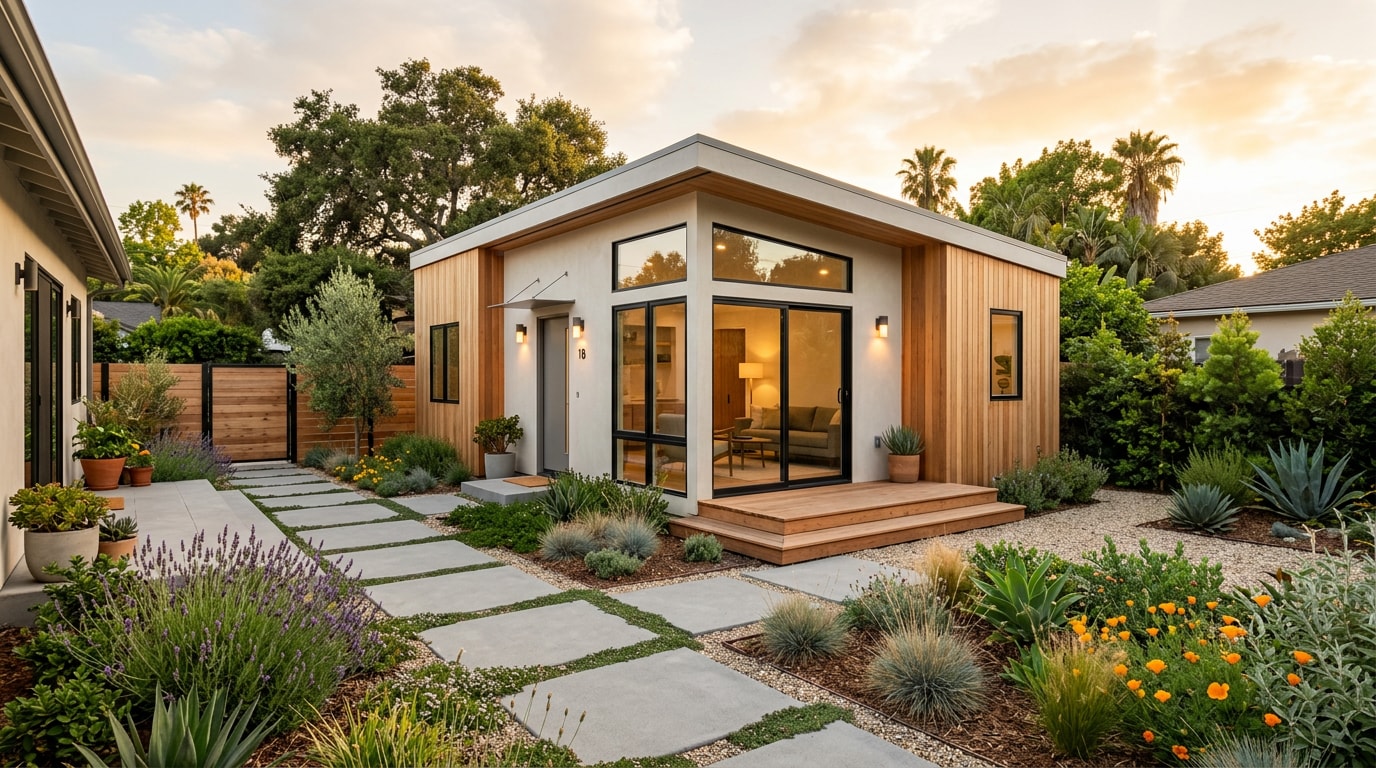
If you're comparing ADU construction companies in Los Angeles County, CA, the real question isn't which builder has the flashiest website. It's which one can get your project through plan check, built to code, and finished without six months of change orders. This guide breaks down the types of ADU builders working across the county, exactly how to vet one, and what a realistic 2026 budget and timeline actually look like.
How to Choose an ADU Construction Company in Los Angeles County
Start by confirming license status through the CSLB license lookup before you get attached to a design or a price. An unlicensed contractor on a project this size isn't a minor oversight, it's a liability you'd be assuming yourself.
California raised the threshold for requiring a licensed contractor from $500 to $1,000 in labor and materials starting January 2025. That means even small scope items on an ADU, like a fixture swap or a patch of drywall, legally need a properly licensed pro, not just the main structure.
From there, decide between two structures:
- Design-build: One company handles architecture and construction under one contract. Usually faster, with one point of accountability.
- Architect + separate contractor: Often more custom, but adds coordination time and a second contract to manage.
Local experience matters more than it sounds. A contractor who has pulled permits in your specific city, or in unincorporated LA County, already knows the plan-check reviewers' habits and the common rejection points. That familiarity can shave weeks off approval. It's also worth asking whether electrical and plumbing crews are in-house or subcontracted, since in-house trades are usually easier to schedule and hold accountable.
For homeowners ready to compare options, browsing ADU contractor services is a reasonable starting point before requesting quotes.
Types of ADU Construction Companies in LA County
The "best" ADU builder depends on your project type, budget, and timeline, not a single ranked list. Here's how the market actually breaks down:
- Full-service design-build firms handle design, permitting, and construction in-house. Costs more, but gives you one point of contact.
- Architect-led teams pair a separate design professional with a contractor. Produces more custom results, usually adds 4–8 weeks up front.
- Prefab/modular builders ship factory-built units to the site for faster assembly, often shaving months off a detached ADU build.
- Garage conversion specialists focus narrowly on turning existing structures into living space, usually faster and cheaper than generalists tackling a one-off garage-to-ADU conversion.
- Fixed-price plan providers offer pre-approved, standardized designs for homeowners who want speed and budget certainty over customization.
| Company Type | Typical Cost | Typical Timeline | Best-Fit Project |
|---|---|---|---|
| Full-service design-build | $250K–$450K | 8–12 months | Custom detached ADU |
| Architect-led | $280K–$500K | 10–14 months | Highly custom or complex lots |
| Prefab/modular | $150K–$300K | 5–8 months | Speed-focused detached builds |
| Garage conversion specialist | $90K–$160K | 3–5 months | Existing garage, tight budget |
| Fixed-price plan provider | $180K–$280K | 6–9 months | Standard layout, predictable cost |
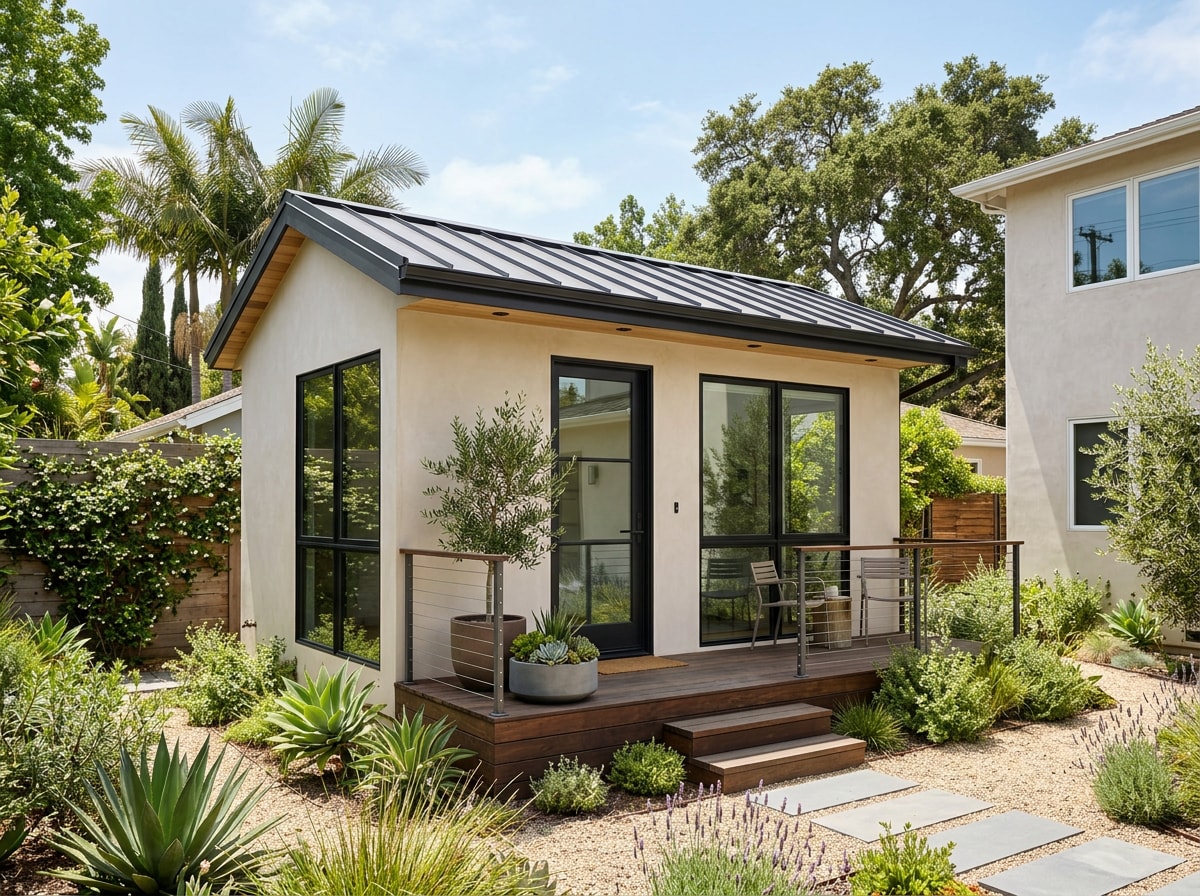
The ADU Contractor Vetting Checklist
Once you've narrowed a shortlist, this is where the real decision happens.
Demand a Real Scope of Work
A trustworthy bid itemizes materials, fixtures, and labor rather than handing you a single lump-sum number. It should list dollar-amount allowances for items like flooring or countertops, plus a clear change-order policy explaining how price adjustments get approved mid-project. If a contractor won't put this in writing before you sign, treat that as a warning sign, not a formality to chase later.
Compare Apples to Apples
Three bids rarely look alike on the surface. Break each one down by square footage, finish level, included utility hookups, and whether design, engineering, and permit fees are bundled in or billed separately. A $200,000 bid that excludes permits and utility connections isn't actually cheaper than a $230,000 bid that includes everything.
Ask Every Finalist the Same Questions
- What's your CSLB classification, and can I verify it myself?
- How many ADUs have you completed in my specific city, not just "the LA area"?
- Who handles permitting and compliance, and who's responsible for utility upgrades?
- What warranty covers workmanship versus materials?
- What's your realistic start-to-finish timeline for this exact project?
Vague answers, especially to the timeline question, are often a preview of how the actual project will go.
Ready to compare real numbers for your property? Request a free ADU estimate and get specifics instead of guesses.
ADU Costs and Financing in Los Angeles County
Costs vary widely by project type. A garage conversion typically runs $90,000 to $160,000 in 2026, since most of the shell already exists. A detached new-build generally falls between $250,000 and $450,000+ depending on size and site conditions, while prefab options tend to land in the $150,000 to $300,000 range once utility hookups and foundation work are included.
| ADU Type | Typical Cost Range (2026) | Price per Sq Ft |
|---|---|---|
| Garage conversion | $90K–$160K | $110–$200 |
| Detached new-build | $250K–$450K+ | $300–$450 |
| Prefab/modular | $150K–$300K | $200–$350 |
Rental income is a major driver of the demand. Depending on neighborhood, size, and finish level, a well-built ADU across LA County commonly rents for $1,800 to $4,200 per month, with Westside and Silver Lake-area units toward the top of that range and San Fernando Valley units in the middle.
Financing options include home equity lines of credit, cash-out refinances, renovation loans like Fannie Mae's HomeStyle program, and a smaller set of specialized ADU construction loans some credit unions now offer. Each has different qualification rules, so compare at least two or three before committing. If you're still working through layout and design decisions before locking in a builder, our ADU design ideas guide is worth reading first.
Why ADU Demand Is Climbing Across LA County
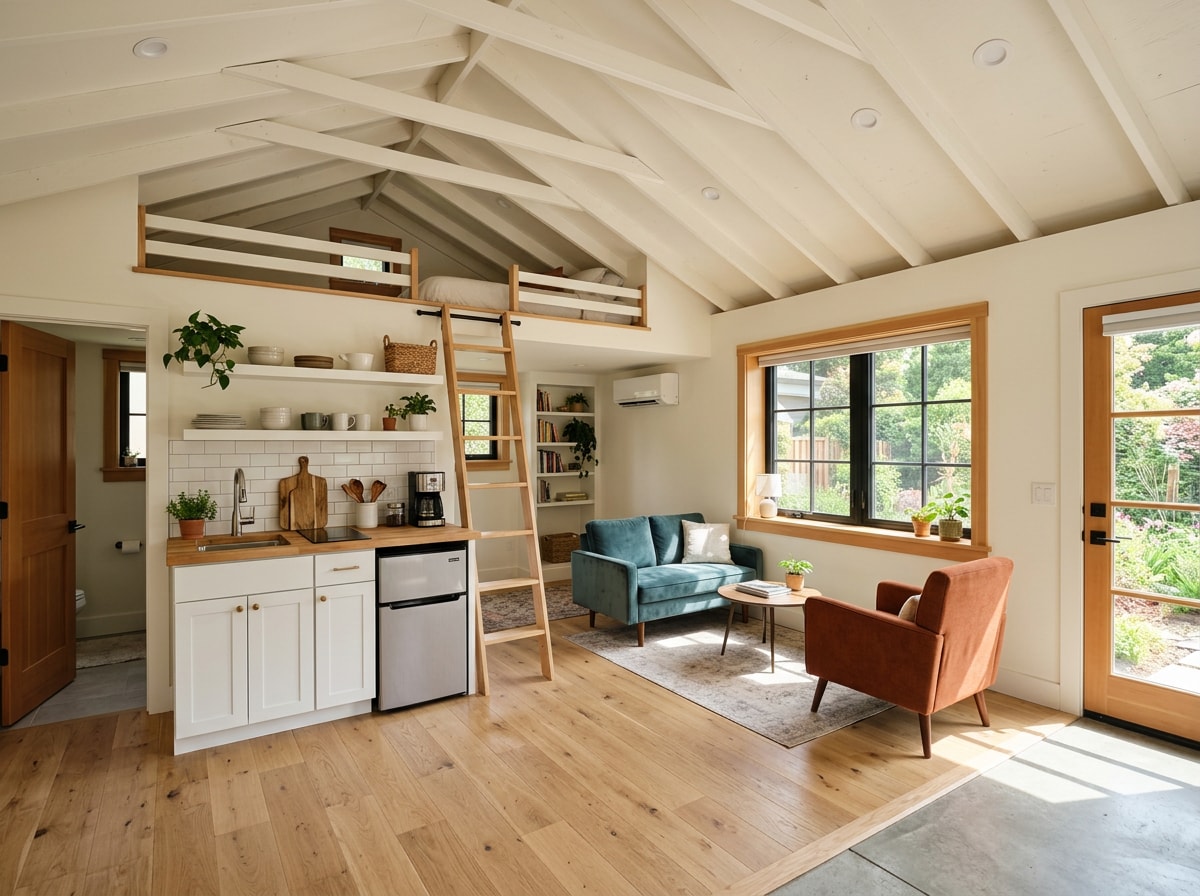
The growth numbers are no longer speculative. Los Angeles County completed 10,230 ADUs in 2025, more than six times the 1,624 completed in 2018, according to a USC Lusk Center for Real Estate analysis reported by The Real Deal. In the City of Los Angeles specifically, ADUs now move from permit to completion in about 18 months on average, far faster than the roughly three years typical of larger multi-unit projects.
That growth is a direct result of state law. Sacramento has steadily stripped away local barriers: no minimum lot size, reduced setbacks, and, for most standard ADUs, no owner-occupancy requirement, meaning you don't have to live on the property to legally rent out the unit.
ADU Regulations in Los Angeles County
Three layers of rules apply at once: state law, local zoning, and the permitting process itself. A good contractor should know all three cold, but it helps to understand the basics yourself.
State Law Sets the Floor
California caps how much cities can restrict ADU size and height, and state law overrides any stricter local ordinance. For the most current, authoritative breakdown of what's changed heading into 2026, the California HCD Accessory Dwelling Unit Handbook is the primary source to check.
Local Standards Still Matter
In the City of Los Angeles, detached ADUs generally need just a 4-foot setback from side and rear property lines, with a maximum height of 16 feet for a single-story unit and up to 1,200 square feet of floor area. Garage conversions that stay within the existing footprint typically don't trigger new setback requirements at all. Unincorporated LA County areas and other cities in the county carry their own variations on these standards, so it's worth confirming the exact rules for your address, especially if your property sits in the City of Los Angeles versus an unincorporated area.
The Permitting Process
The ADU permit process starts with plan preparation, moves through plan check review, and ends with inspections during and after construction. In the City of Los Angeles, that review runs through LADBS, which has adopted a standard plan program to speed up review for repeatable ADU designs.
One detail that trips up homeowners: fire sprinklers. Under the current rule, a detached ADU of 1,200 square feet or less is generally exempt from a sprinkler requirement, unless the primary residence on the property is already required to have sprinklers, in which case the ADU typically needs them too. Skipping this check during design is one of the more common causes of permit delays.
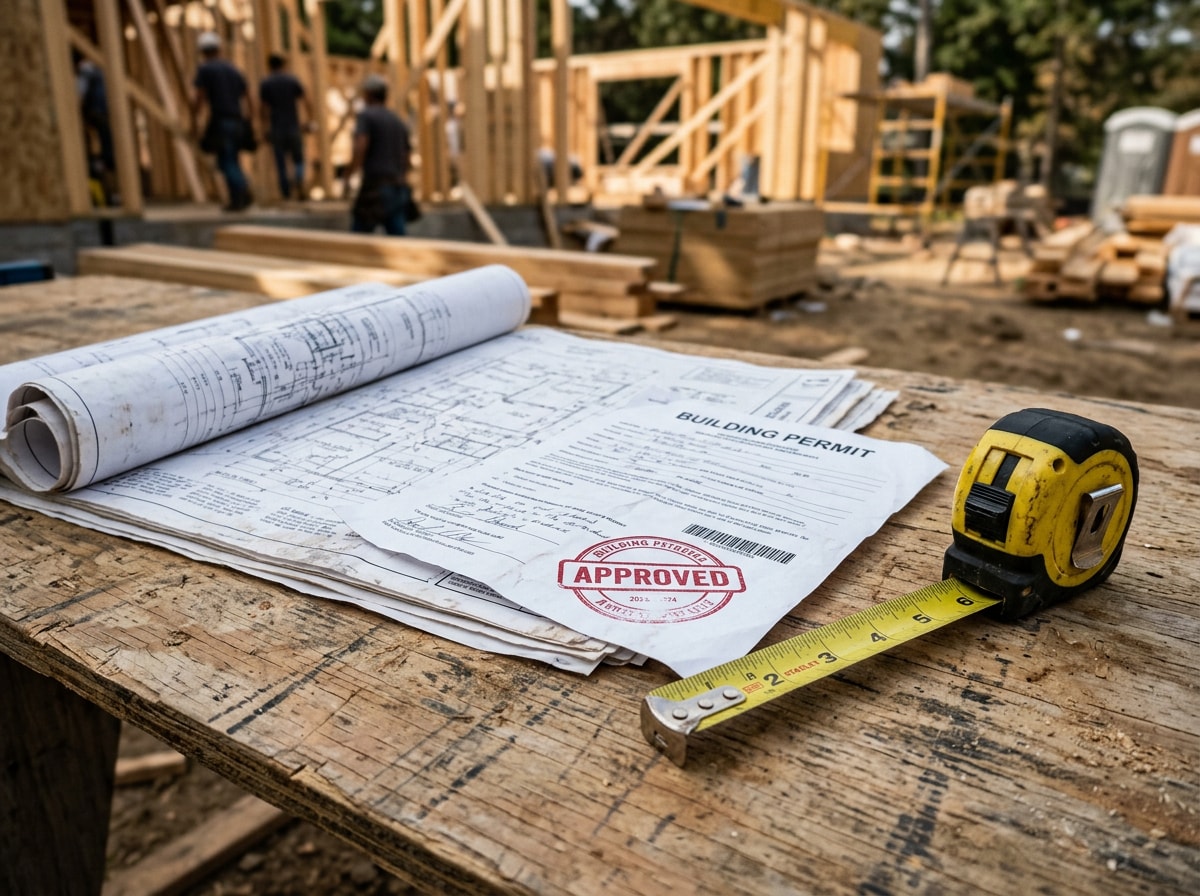
If your project involves structural changes beyond a straightforward conversion, pairing your ADU builder with design, permits, and engineering support upfront tends to prevent costly plan-check rejections later.
Why Trust This Guide
This guide was put together by the team at DQB, a licensed California general contractor working on ADU, garage conversion, and remodeling projects across Los Angeles County. We've sat across the table from homeowners mid-permit-delay because a previous contractor missed a setback calculation, and we've seen how a properly scoped bid upfront avoids that outcome entirely. Nothing here is a substitute for a site-specific review of your property, but it's built from what actually holds projects up in practice, not just what's printed in the code book.
Have questions about your specific lot or timeline? Contact us for a free estimate and a straight answer.
FAQ
How much does it cost to build an ADU in Los Angeles County?
Costs in 2026 generally range from $90,000 for a basic garage conversion to $450,000+ for a larger custom detached unit, with prefab options often landing in between. Site conditions, finish level, and utility upgrade needs all shift the final number.
How long does it take to build an ADU in Los Angeles County?
Most projects take 8 to 14 months total once design, permitting, and construction are all counted. Garage conversions tend to finish faster, often in 3 to 5 months, while custom detached builds with architect involvement can stretch past a year depending on jurisdiction review times.
Do I need a permit to build an ADU in Los Angeles County?
Yes. Permits are required for every ADU type, including garage conversions and JADUs. Building without one risks stop-work orders, fines, and complications when selling the property later, since unpermitted structures typically can't be legally rented or insured.
What is the maximum size allowed for an ADU in Los Angeles County?
In the City of Los Angeles, a detached ADU can generally go up to 1,200 square feet. Other cities and unincorporated LA County areas set their own limits, but state law requires every jurisdiction to allow at least an 800-square-foot unit with 4-foot setbacks, regardless of local restrictions.
Do I need to live on the property to build an ADU in LA County?
No, for most standard ADUs. State law generally removed the owner-occupancy requirement, so you can build an ADU and rent it out without living on-site. Some jurisdictions still apply owner-occupancy rules to JADUs specifically, so confirm this for your exact address.
Are ADU standard plans "one-click permits"?
No. Standard or pre-approved plans still require site-specific review covering zoning compliance, foundation conditions, utility connections, and fire access for your exact lot. They streamline the design phase, not the entire permit process.
What's the fastest way to reduce ADU project risk?
Hire a contractor with documented experience in your specific city, since they already know local plan-check patterns. Demand a detailed written scope of work before signing, and budget a 10 to 15 percent contingency for unexpected site conditions.